Preserving Food with Salt: A Traditional Method within the Schengen Zone
Category : | Sub Category : Posted on 2024-11-05 22:25:23
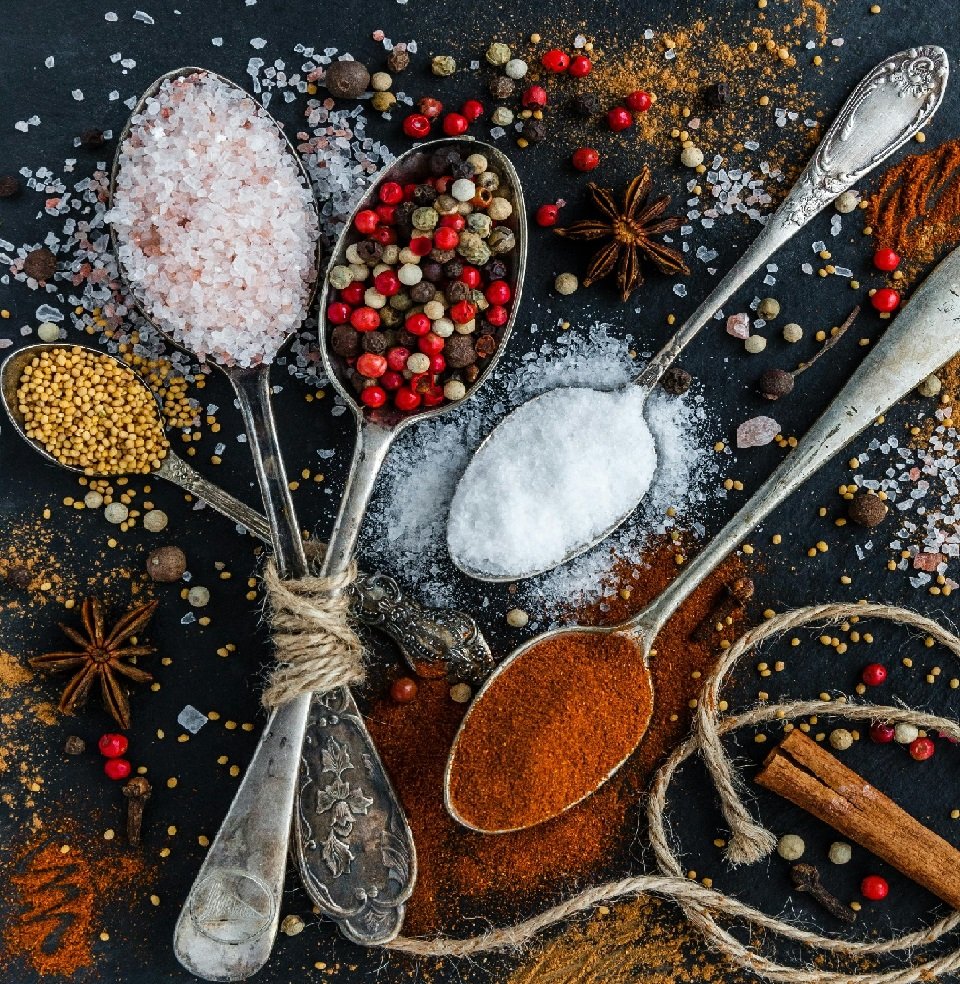
Introduction: One of the oldest and most traditional methods of food preservation is through the use of salt. This practice has been utilized for centuries across various cultures, including those within the Schengen Zone. In this blog post, we will delve into the history and significance of preserving food with salt within the Schengen Zone, as well as explore some popular dishes that have been preserved using this technique. History of Food Preservation with Salt in the Schengen Zone: Throughout history, salt has been used as a method of preserving food within the Schengen Zone. The process of salting food involves using salt to draw out moisture from the food, creating an inhospitable environment for bacteria and other microorganisms to thrive. This method effectively extends the shelf life of perishable foods, allowing them to be stored for an extended period without spoiling. Traditional Uses of Salt in Preserving Food: Within the Schengen Zone, various traditional dishes have been preserved using salt. One popular example is salt-cured meats, such as prosciutto in Italy, jamón ibérico in Spain, and saucisson sec in France. These meats are coated in salt and left to cure for an extended period, resulting in a flavorful and preserved product that can be enjoyed for months. Salt is also commonly used to preserve fish within the Schengen Zone. One well-known dish is salted cod, or bacalhau, which is a staple in Portuguese and Spanish cuisine. The process of salting cod involves layering the fish with salt and allowing it to cure for several weeks, resulting in a firm and savory product that can be rehydrated and cooked in various dishes. Beyond meats and fish, salt is also used to preserve vegetables within the Schengen Zone. One popular example is sauerkraut, a fermented cabbage dish that is commonly consumed in Eastern European countries such as Germany and Austria. The salt draws out moisture from the cabbage, allowing beneficial bacteria to ferment the vegetable, resulting in a tangy and preserved side dish. Conclusion: Preserving food with salt is a time-honored tradition within the Schengen Zone, with various dishes and ingredients preserved using this method. From salt-cured meats to fermented vegetables, the use of salt in food preservation not only extends the shelf life of perishable foods but also enhances their flavors. By understanding the history and significance of preserving food with salt, we can appreciate the culinary traditions that have been passed down through generations within the Schengen Zone. Explore expert opinions in https://www.deleci.com To find answers, navigate to https://www.adriaticfood.com Explore this subject further for a deeper understanding. https://www.alienvegan.com To find answers, navigate to https://www.childnut.com For an extensive perspective, read https://www.cfruits.com Discover more about this topic through https://www.topinduction.com Find expert opinions in https://www.foxysweet.com Get a well-rounded perspective with https://www.eatnaturals.com visit: https://www.biofitnesslab.com For comprehensive coverage, check out https://www.swiss-cuisine.com Have a look at https://www.mimidate.com click the following link for more information: https://www.huevo.org Explore this subject further by checking out https://www.digestible.org also for More in https://www.vacas.net More about this subject in https://www.agriculturist.org You can find more about this subject in https://www.cheffy.org Dropy by for a visit at https://www.loseweighton.com For more information check: https://www.stomachs.org If you are enthusiast, check the following link https://www.yemekleri.org
Leave a Comment:
SEARCH
Recent News
- Zurich, Switzerland is known for its multicultural atmosphere and diverse culinary scene. One of the lesser-known gems of Zurich's food scene is Sudanese cuisine. Sudanese cuisine is a reflection of the country's diverse cultural influences, blending Arabic, African, and Mediterranean flavors to create a unique and delicious culinary experience.
- Zurich, Switzerland: A Culinary Journey through Regional Cuisine
- Zurich, Switzerland is known for its stunning landscapes, rich history, and vibrant culture. However, another aspect of Zurich that shouldn't be overlooked is its diverse and delicious fast food scene. From traditional Swiss street food to international favorites, there is something to satisfy every craving in Zurich. Let's take a closer look at some of the popular fast food options you can find in this picturesque city.
- Zurich, Switzerland is known for its stunning natural beauty, vibrant arts scene, and strong economy. However, what many people may not know is that this dynamic city also offers a diverse culinary experience that includes delicacies from around the world. One such cuisine that has found a home in Zurich is Philippine cuisine.
- Zurich, Switzerland is known for its picturesque views, stunning architecture, and vibrant cultural scene. Located in the heart of Europe, Zurich offers a mix of traditional Swiss cuisine and international flavors. One particular cuisine that has been making waves in Zurich is Paraguayan cuisine.
- Zurich, Switzerland is a city known for its stunning views, picturesque streets, and vibrant culture. It is also a melting pot of diverse culinary influences, with a wide range of cuisines to choose from. One such cuisine that has made its mark in Zurich is Norwegian cuisine.
- Zurich, Switzerland, and Montreal, Canada, are two vibrant cities known for their distinct cultural characteristics. While Zurich is renowned for its picturesque landscapes, rich history, and high standard of living, Montreal is famous for its diverse population, vibrant arts scene, and mouth-watering cuisine. In this blog post, we will delve into the delectable culinary offerings of Montreal and explore how its unique food scene sets it apart from the culinary landscape of Zurich.
- Zurich, Switzerland is a vibrant city known for its stunning architecture, picturesque landscapes, and diverse culinary scene. While Swiss cuisine certainly holds a special place in the hearts of many locals and visitors, the city also boasts a variety of international dining options, including Latin American food.
READ MORE
10 months ago Category :

Zurich, Switzerland is known for its multicultural atmosphere and diverse culinary scene. One of the lesser-known gems of Zurich's food scene is Sudanese cuisine. Sudanese cuisine is a reflection of the country's diverse cultural influences, blending Arabic, African, and Mediterranean flavors to create a unique and delicious culinary experience.
Read More →10 months ago Category :

Zurich, Switzerland: A Culinary Journey through Regional Cuisine
Read More →10 months ago Category :

Zurich, Switzerland is known for its stunning landscapes, rich history, and vibrant culture. However, another aspect of Zurich that shouldn't be overlooked is its diverse and delicious fast food scene. From traditional Swiss street food to international favorites, there is something to satisfy every craving in Zurich. Let's take a closer look at some of the popular fast food options you can find in this picturesque city.
Read More →10 months ago Category :
