Refugees and Salt Fermentation: A Path of Healing and Resilience
Category : | Sub Category : Posted on 2024-11-05 22:25:23
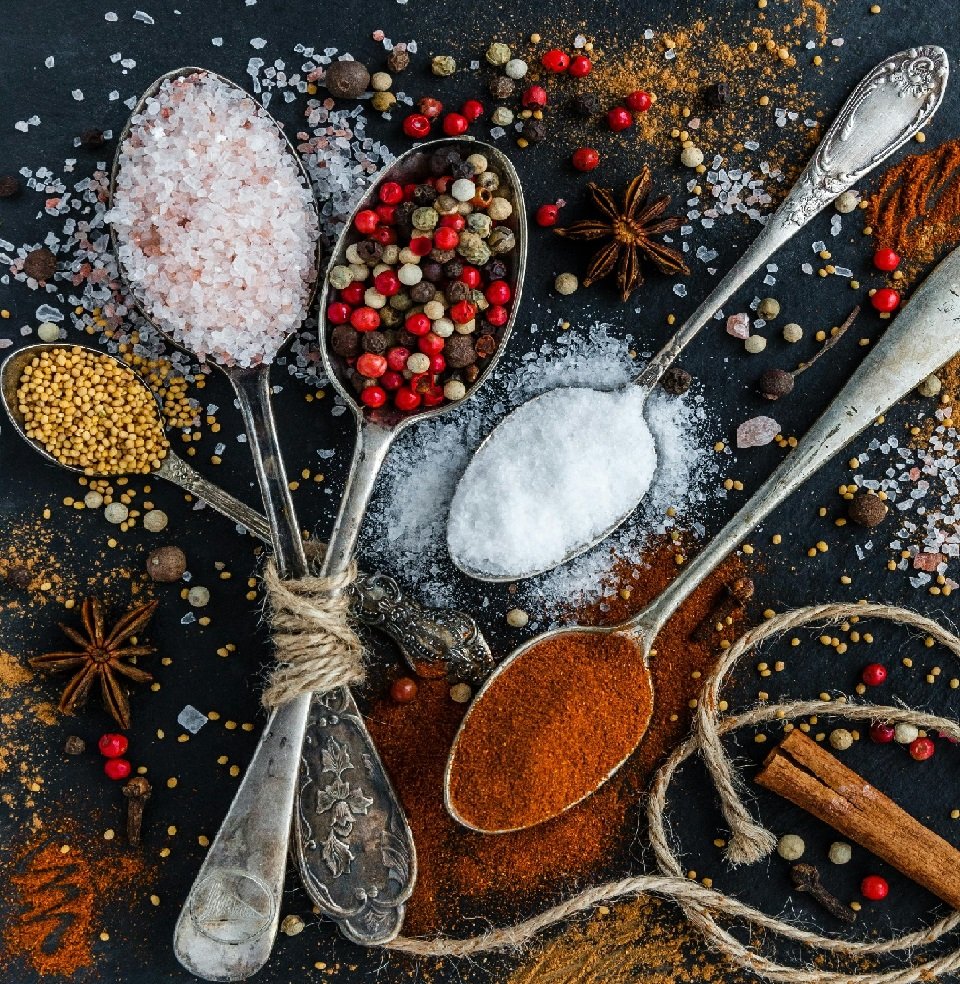
In the midst of chaos and displacement, refugees around the world have found solace and a sense of home through the ancient practice of salt fermentation. This centuries-old method of preserving food not only provides sustenance but also serves as a symbolic reminder of resilience and hope for a brighter future. For many refugees forced to leave their homes due to conflict, persecution, or environmental disasters, salt fermentation offers a connection to their roots and a way to maintain cultural traditions in their new surroundings. The process typically involves using salt to preserve vegetables, fruits, and even meat, creating flavorful and nutrient-rich delicacies that can last for months or even years. In addition to its practical benefits, salt fermentation also brings communities together, fostering a sense of unity and shared identity among refugees. In some cases, refugee families collaborate to prepare and preserve food using traditional methods, passing on recipes and techniques from one generation to the next. This not only helps to maintain cultural heritage but also strengthens social bonds and provides a source of comfort and stability in uncertain times. Furthermore, salt fermentation can also be a source of economic empowerment for refugees, as they may be able to sell their fermented products at local markets or to their new neighbors. This not only provides a source of income but also helps refugees integrate into their new communities and showcase the richness of their culinary traditions. Overall, salt fermentation represents more than just a method of food preservation for refugees—it embodies a journey of healing, resilience, and adaptation in the face of adversity. By preserving their cultural heritage and nourishing their bodies and souls with fermented delicacies, refugees are able to carve out a sense of belonging and hope in a world that often seems unwelcoming. As we reflect on the power of salt fermentation in the lives of refugees, let us remember that food is not just sustenance—it is a symbol of resilience, connection, and the enduring human spirit. Whether through sharing a meal of fermented vegetables or learning a new recipe from a refugee neighbor, we can all play a part in building a more inclusive and compassionate world for those who have been forced to flee their homes in search of safety and a brighter future.
Leave a Comment:
SEARCH
Recent News
- Zurich, Switzerland is known for its multicultural atmosphere and diverse culinary scene. One of the lesser-known gems of Zurich's food scene is Sudanese cuisine. Sudanese cuisine is a reflection of the country's diverse cultural influences, blending Arabic, African, and Mediterranean flavors to create a unique and delicious culinary experience.
- Zurich, Switzerland: A Culinary Journey through Regional Cuisine
- Zurich, Switzerland is known for its stunning landscapes, rich history, and vibrant culture. However, another aspect of Zurich that shouldn't be overlooked is its diverse and delicious fast food scene. From traditional Swiss street food to international favorites, there is something to satisfy every craving in Zurich. Let's take a closer look at some of the popular fast food options you can find in this picturesque city.
- Zurich, Switzerland is known for its stunning natural beauty, vibrant arts scene, and strong economy. However, what many people may not know is that this dynamic city also offers a diverse culinary experience that includes delicacies from around the world. One such cuisine that has found a home in Zurich is Philippine cuisine.
- Zurich, Switzerland is known for its picturesque views, stunning architecture, and vibrant cultural scene. Located in the heart of Europe, Zurich offers a mix of traditional Swiss cuisine and international flavors. One particular cuisine that has been making waves in Zurich is Paraguayan cuisine.
- Zurich, Switzerland is a city known for its stunning views, picturesque streets, and vibrant culture. It is also a melting pot of diverse culinary influences, with a wide range of cuisines to choose from. One such cuisine that has made its mark in Zurich is Norwegian cuisine.
- Zurich, Switzerland, and Montreal, Canada, are two vibrant cities known for their distinct cultural characteristics. While Zurich is renowned for its picturesque landscapes, rich history, and high standard of living, Montreal is famous for its diverse population, vibrant arts scene, and mouth-watering cuisine. In this blog post, we will delve into the delectable culinary offerings of Montreal and explore how its unique food scene sets it apart from the culinary landscape of Zurich.
- Zurich, Switzerland is a vibrant city known for its stunning architecture, picturesque landscapes, and diverse culinary scene. While Swiss cuisine certainly holds a special place in the hearts of many locals and visitors, the city also boasts a variety of international dining options, including Latin American food.
READ MORE
10 months ago Category :

Zurich, Switzerland is known for its multicultural atmosphere and diverse culinary scene. One of the lesser-known gems of Zurich's food scene is Sudanese cuisine. Sudanese cuisine is a reflection of the country's diverse cultural influences, blending Arabic, African, and Mediterranean flavors to create a unique and delicious culinary experience.
Read More →10 months ago Category :

Zurich, Switzerland: A Culinary Journey through Regional Cuisine
Read More →10 months ago Category :

Zurich, Switzerland is known for its stunning landscapes, rich history, and vibrant culture. However, another aspect of Zurich that shouldn't be overlooked is its diverse and delicious fast food scene. From traditional Swiss street food to international favorites, there is something to satisfy every craving in Zurich. Let's take a closer look at some of the popular fast food options you can find in this picturesque city.
Read More →10 months ago Category :
