Nigeria, known for its rich cultural heritage and diverse culinary traditions, is home to a unique method of salt fermentation that has been practiced for centuries. Salt fermentation is a traditional food preservation technique that involves using salt to inhibit the growth of harmful bacteria and enzymes in food, thus extending its shelf life.
Category : | Sub Category : Posted on 2024-11-05 22:25:23
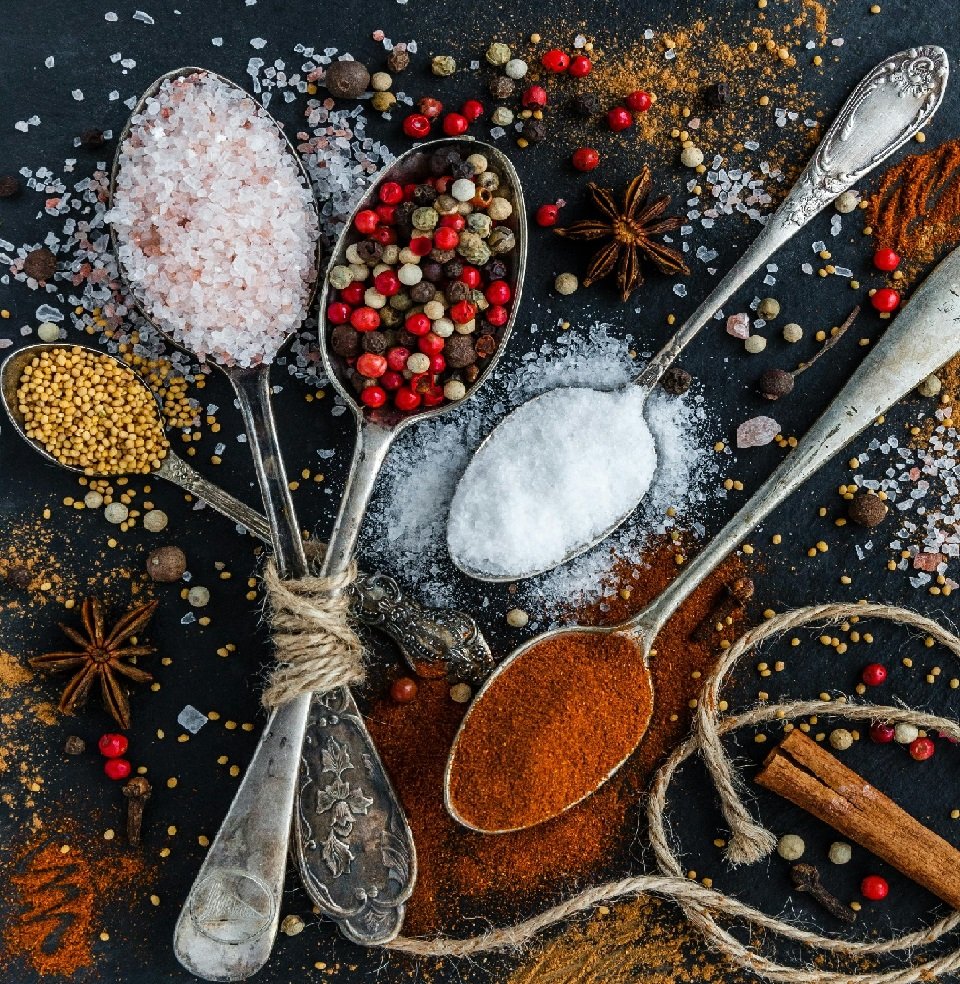
In Nigeria, salt fermentation is commonly used in the preparation of various fermented foods and condiments, including ogiri, iru, and dawadawa. These fermented products play a significant role in Nigerian cuisine, adding depth of flavor and complexity to dishes. Ogiri is a traditional Nigerian condiment made by fermenting locust beans with salt. The fermentation process can take several days to weeks, during which the beans are soaked in water, boiled, and then mixed with salt before being left to ferment in a cool, dark place. The end result is a pungent, umami-rich paste that is used to flavor soups, stews, and sauces. Iru, also known as African locust beans or dawadawa in some regions, is another popular fermented condiment in Nigeria. Iru is made by fermenting locust beans with salt and water, resulting in a strong-smelling paste that is added to soups, stews, and rice dishes to enhance their flavor. Dawadawa, on the other hand, is a type of fermented African locust bean cake that is commonly used in Northern Nigeria. The locust beans are boiled, mashed, and formed into cakes, which are then left to ferment for several days before being sun-dried. Dawadawa adds a unique, savory flavor to dishes and is often crumbled and added to soups and sauces. Salt fermentation not only enhances the flavor of foods but also contributes to their nutritional value. The fermentation process increases the bioavailability of nutrients in the food, making them easier for the body to absorb. Additionally, fermented foods are rich in probiotics, which support gut health and digestion. As Nigeria continues to embrace its culinary traditions and heritage, salt fermentation remains a vital aspect of its vibrant food culture. The unique flavors and nutritional benefits of fermented foods make them a beloved staple in Nigerian households and a testament to the country's rich culinary heritage.
Leave a Comment:
SEARCH
Recent News
- Zurich, Switzerland is known for its multicultural atmosphere and diverse culinary scene. One of the lesser-known gems of Zurich's food scene is Sudanese cuisine. Sudanese cuisine is a reflection of the country's diverse cultural influences, blending Arabic, African, and Mediterranean flavors to create a unique and delicious culinary experience.
- Zurich, Switzerland: A Culinary Journey through Regional Cuisine
- Zurich, Switzerland is known for its stunning landscapes, rich history, and vibrant culture. However, another aspect of Zurich that shouldn't be overlooked is its diverse and delicious fast food scene. From traditional Swiss street food to international favorites, there is something to satisfy every craving in Zurich. Let's take a closer look at some of the popular fast food options you can find in this picturesque city.
- Zurich, Switzerland is known for its stunning natural beauty, vibrant arts scene, and strong economy. However, what many people may not know is that this dynamic city also offers a diverse culinary experience that includes delicacies from around the world. One such cuisine that has found a home in Zurich is Philippine cuisine.
- Zurich, Switzerland is known for its picturesque views, stunning architecture, and vibrant cultural scene. Located in the heart of Europe, Zurich offers a mix of traditional Swiss cuisine and international flavors. One particular cuisine that has been making waves in Zurich is Paraguayan cuisine.
- Zurich, Switzerland is a city known for its stunning views, picturesque streets, and vibrant culture. It is also a melting pot of diverse culinary influences, with a wide range of cuisines to choose from. One such cuisine that has made its mark in Zurich is Norwegian cuisine.
- Zurich, Switzerland, and Montreal, Canada, are two vibrant cities known for their distinct cultural characteristics. While Zurich is renowned for its picturesque landscapes, rich history, and high standard of living, Montreal is famous for its diverse population, vibrant arts scene, and mouth-watering cuisine. In this blog post, we will delve into the delectable culinary offerings of Montreal and explore how its unique food scene sets it apart from the culinary landscape of Zurich.
- Zurich, Switzerland is a vibrant city known for its stunning architecture, picturesque landscapes, and diverse culinary scene. While Swiss cuisine certainly holds a special place in the hearts of many locals and visitors, the city also boasts a variety of international dining options, including Latin American food.
READ MORE
10 months ago Category :

Zurich, Switzerland is known for its multicultural atmosphere and diverse culinary scene. One of the lesser-known gems of Zurich's food scene is Sudanese cuisine. Sudanese cuisine is a reflection of the country's diverse cultural influences, blending Arabic, African, and Mediterranean flavors to create a unique and delicious culinary experience.
Read More →10 months ago Category :

Zurich, Switzerland: A Culinary Journey through Regional Cuisine
Read More →10 months ago Category :

Zurich, Switzerland is known for its stunning landscapes, rich history, and vibrant culture. However, another aspect of Zurich that shouldn't be overlooked is its diverse and delicious fast food scene. From traditional Swiss street food to international favorites, there is something to satisfy every craving in Zurich. Let's take a closer look at some of the popular fast food options you can find in this picturesque city.
Read More →10 months ago Category :
