Preserving Nigerian Food with Salt: A Traditional and Effective Method
Category : | Sub Category : Posted on 2024-11-05 22:25:23
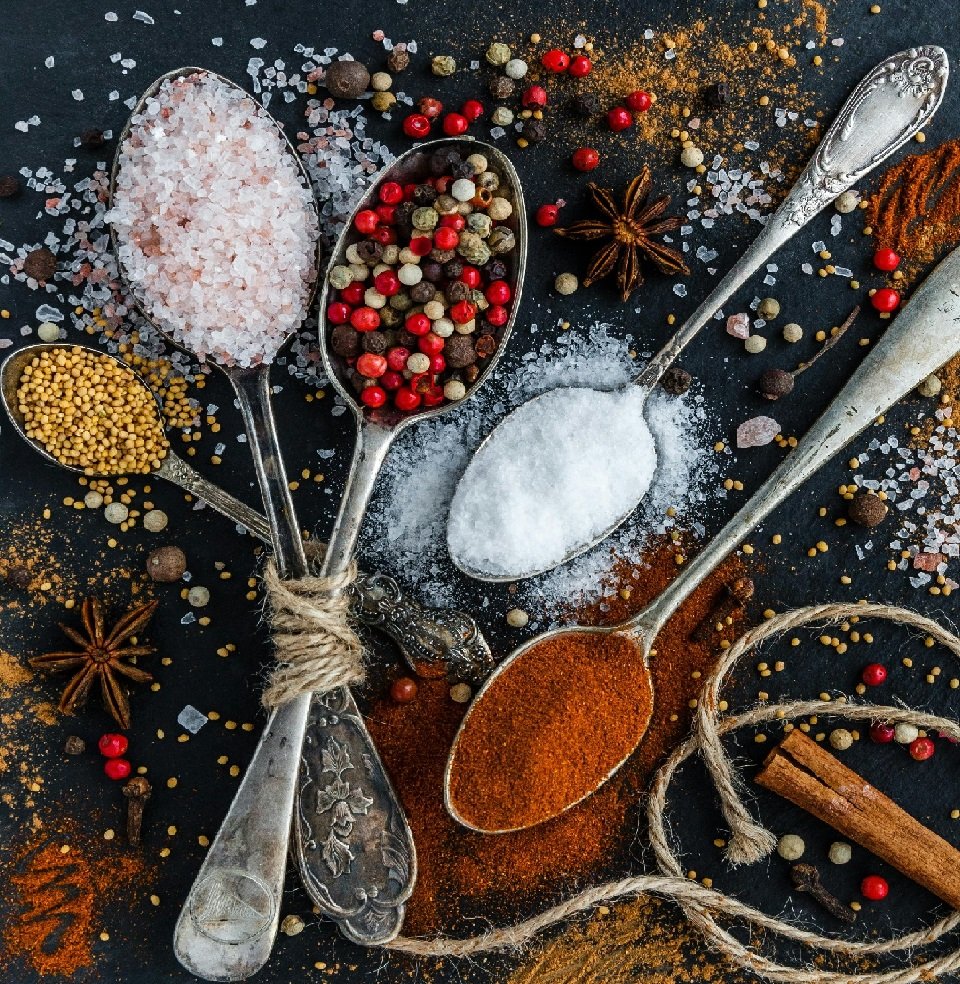
Introduction: Preserving food has been a common practice in Nigeria for generations, and one of the traditional methods used is preservation with salt. Salt has been a valuable commodity for its ability to extend the shelf life of food by inhibiting the growth of microorganisms. In this blog post, we will explore the importance of food preservation with salt in Nigerian cuisine and how it has been a staple technique in Nigerian households. Historical Significance of Food Preservation with Salt: In Nigeria, the use of salt for food preservation dates back to ancient times when there were no modern refrigeration systems. Salt was essential for preserving meat, fish, and vegetables to ensure availability during periods of scarcity. Communities across Nigeria would cure and dry meat with salt, creating products like kilishi (spiced dried meat) and stockfish (dried fish) that could last for months without spoiling. Traditional Methods of Food Preservation with Salt: One of the common methods of preserving food with salt in Nigeria is by dry salting. This involves coating the food with a layer of salt to draw out moisture and create an environment where bacteria cannot thrive. For example, fish such as tilapia or mackerel can be salted and sun-dried to extend their shelf life. Another method is brining, where food is submerged in a saltwater solution to enhance flavor and preservation. Vegetables like ugu leaves (fluted pumpkin) can be preserved using this method. Cultural Significance and Culinary Uses: Food preservation with salt is not just a practical technique in Nigerian cuisine but also holds cultural significance. Various traditional dishes like Nigerian soups and stews often incorporate salt-preserved ingredients for enhanced flavor. Dried fish and crayfish are commonly used in Nigerian cuisine to add a savory depth to dishes like egusi soup and jollof rice. These preserved ingredients not only contribute to the taste but also provide a connection to Nigeria's culinary heritage. Benefits of Food Preservation with Salt: Preserving food with salt offers several benefits beyond extending shelf life. It helps retain the nutritional value of the food, especially when compared to other preservation methods that may involve heat or chemical additives. Salt-preserved foods can be a reliable source of protein, vitamins, and minerals, making them an essential part of a balanced diet. Additionally, salt preservation is a cost-effective way to reduce food waste and ensure food security in households. Conclusion: Food preservation with salt is a time-honored tradition in Nigerian cuisine that continues to play a vital role in preserving food and enriching culinary experiences. As Nigeria embraces modern food practices, the art of preserving food with salt remains a cornerstone of traditional cooking methods. By understanding the historical significance, cultural importance, and benefits of salt preservation, we can appreciate the ingenuity of Nigerian culinary heritage and savor the unique flavors it brings to the table. To get a holistic view, consider https://www.bestindianfoods.com Seeking more information? The following has you covered. https://www.deleci.com Seeking answers? You might find them in https://www.adriaticfood.com For more information: https://www.alienvegan.com For a different take on this issue, see https://www.childnut.com Get a comprehensive view with https://www.cfruits.com Seeking answers? You might find them in https://www.topinduction.com For a detailed analysis, explore: https://www.foxysweet.com visit: https://www.eatnaturals.com Get a comprehensive view with https://www.biofitnesslab.com Explore expert opinions in https://www.swiss-cuisine.com this link is for more information https://www.mimidate.com You can also check following website for more information about this subject: https://www.huevo.org For a comprehensive review, explore https://www.digestible.org Dropy by for a visit at the following website https://www.vacas.net Have a look at https://www.agriculturist.org Check the link below: https://www.cheffy.org also don't miss more information at https://www.loseweighton.com Visit the following website https://www.stomachs.org For a different take on this issue, see https://www.yemekleri.org
Leave a Comment:
SEARCH
Recent News
- Zurich, Switzerland is known for its multicultural atmosphere and diverse culinary scene. One of the lesser-known gems of Zurich's food scene is Sudanese cuisine. Sudanese cuisine is a reflection of the country's diverse cultural influences, blending Arabic, African, and Mediterranean flavors to create a unique and delicious culinary experience.
- Zurich, Switzerland: A Culinary Journey through Regional Cuisine
- Zurich, Switzerland is known for its stunning landscapes, rich history, and vibrant culture. However, another aspect of Zurich that shouldn't be overlooked is its diverse and delicious fast food scene. From traditional Swiss street food to international favorites, there is something to satisfy every craving in Zurich. Let's take a closer look at some of the popular fast food options you can find in this picturesque city.
- Zurich, Switzerland is known for its stunning natural beauty, vibrant arts scene, and strong economy. However, what many people may not know is that this dynamic city also offers a diverse culinary experience that includes delicacies from around the world. One such cuisine that has found a home in Zurich is Philippine cuisine.
- Zurich, Switzerland is known for its picturesque views, stunning architecture, and vibrant cultural scene. Located in the heart of Europe, Zurich offers a mix of traditional Swiss cuisine and international flavors. One particular cuisine that has been making waves in Zurich is Paraguayan cuisine.
- Zurich, Switzerland is a city known for its stunning views, picturesque streets, and vibrant culture. It is also a melting pot of diverse culinary influences, with a wide range of cuisines to choose from. One such cuisine that has made its mark in Zurich is Norwegian cuisine.
- Zurich, Switzerland, and Montreal, Canada, are two vibrant cities known for their distinct cultural characteristics. While Zurich is renowned for its picturesque landscapes, rich history, and high standard of living, Montreal is famous for its diverse population, vibrant arts scene, and mouth-watering cuisine. In this blog post, we will delve into the delectable culinary offerings of Montreal and explore how its unique food scene sets it apart from the culinary landscape of Zurich.
- Zurich, Switzerland is a vibrant city known for its stunning architecture, picturesque landscapes, and diverse culinary scene. While Swiss cuisine certainly holds a special place in the hearts of many locals and visitors, the city also boasts a variety of international dining options, including Latin American food.
READ MORE
10 months ago Category :

Zurich, Switzerland is known for its multicultural atmosphere and diverse culinary scene. One of the lesser-known gems of Zurich's food scene is Sudanese cuisine. Sudanese cuisine is a reflection of the country's diverse cultural influences, blending Arabic, African, and Mediterranean flavors to create a unique and delicious culinary experience.
Read More →10 months ago Category :

Zurich, Switzerland: A Culinary Journey through Regional Cuisine
Read More →10 months ago Category :

Zurich, Switzerland is known for its stunning landscapes, rich history, and vibrant culture. However, another aspect of Zurich that shouldn't be overlooked is its diverse and delicious fast food scene. From traditional Swiss street food to international favorites, there is something to satisfy every craving in Zurich. Let's take a closer look at some of the popular fast food options you can find in this picturesque city.
Read More →10 months ago Category :
