Food Preservation with Salt in Japanese Cuisine
Category : | Sub Category : Posted on 2024-11-05 22:25:23
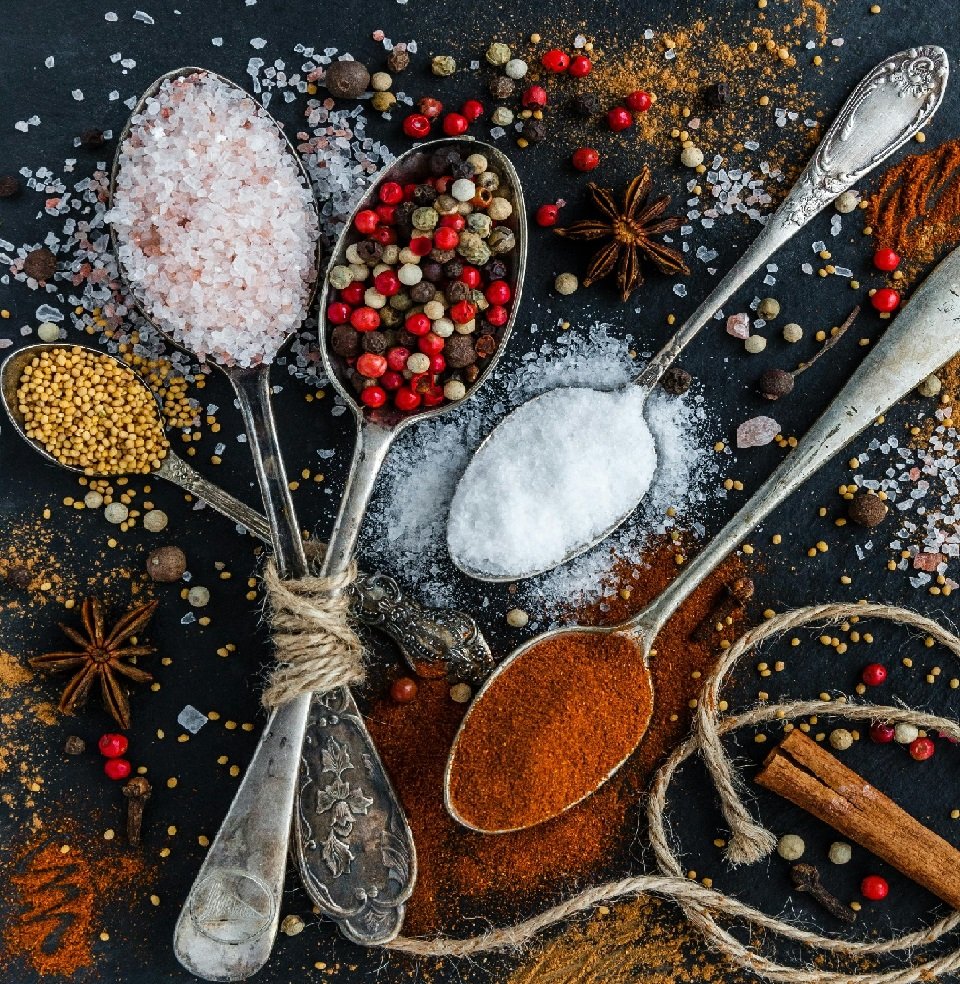
food preservation has been an integral part of Japanese culinary tradition for centuries. One of the most common and time-honored methods of food preservation in Japan is using salt. Salt plays a crucial role in not only enhancing the flavor of food but also in extending its shelf life. Pickling is a prevalent method of food preservation in Japan, and salt plays a central role in this process. Salt acts as a natural preservative by drawing out moisture from the food, creating an environment where harmful bacteria cannot thrive. Additionally, salt helps to enhance the flavors of the ingredients, resulting in pickles that are both tangy and savory. One of the most famous Japanese pickles preserved with salt is umeboshi, pickled plums that are intensely sour and salty. Umeboshi is commonly enjoyed as a side dish with steamed rice and is believed to aid in digestion and provide various health benefits. Salt curing is another popular method of food preservation in Japan. Fish, such as mackerel and salmon, are often salted and cured to create delicacies like shiozuke (salt-cured fish). The salt draws out moisture from the fish, preserving it while also enhancing its flavor. Salt-cured fish is commonly enjoyed with rice or as a topping for dishes like onigiri (rice balls). Salt is also used in the preservation of vegetables in Japanese cuisine. Japanese chefs often salt vegetables like cucumbers, eggplants, and radishes before pickling them to enhance their crunchiness and flavor. This process, known as "oshi-ni" or pressing with salt, involves salting the vegetables and then pressing them to remove excess moisture before pickling. In addition to pickling and curing, salt is used in various other methods of food preservation in Japanese cuisine. For example, salt is often used to preserve seafood, such as squid and fish roe, by drawing out moisture and inhibiting bacterial growth. Salt is also used in the preparation of various condiments like shio-koji, a mixture of salt, rice koji, and water that is used to ferment and preserve ingredients like meats and vegetables. Overall, salt plays a crucial role in food preservation in Japanese cuisine, not only extending the shelf life of ingredients but also enhancing their flavors. The art of preserving food with salt is deeply rooted in Japanese culinary tradition and continues to be an essential aspect of Japanese cooking today. Seeking in-depth analysis? The following is a must-read. https://www.bestindianfoods.com For an in-depth analysis, I recommend reading https://www.deleci.com For a detailed analysis, explore: https://www.adriaticfood.com More in https://www.alienvegan.com also visit the following website https://www.childnut.com For a closer look, don't forget to read https://www.cfruits.com For expert commentary, delve into https://www.topinduction.com For a deeper dive, visit: https://www.foxysweet.com To find answers, navigate to https://www.eatnaturals.com Explore this subject in detail with https://www.biofitnesslab.com Have a visit at https://www.swiss-cuisine.com Don't miss more information at https://www.mimidate.com Have a visit at https://www.huevo.org For an in-depth examination, refer to https://www.digestible.org For a different take on this issue, see https://www.vacas.net Get more at https://www.agriculturist.org Want a deeper understanding? https://www.cheffy.org You can find more about this subject in https://www.loseweighton.com Check the link below: https://www.stomachs.org visit: https://www.yemekleri.org
Leave a Comment:
SEARCH
Recent News
- Zurich, Switzerland is known for its multicultural atmosphere and diverse culinary scene. One of the lesser-known gems of Zurich's food scene is Sudanese cuisine. Sudanese cuisine is a reflection of the country's diverse cultural influences, blending Arabic, African, and Mediterranean flavors to create a unique and delicious culinary experience.
- Zurich, Switzerland: A Culinary Journey through Regional Cuisine
- Zurich, Switzerland is known for its stunning landscapes, rich history, and vibrant culture. However, another aspect of Zurich that shouldn't be overlooked is its diverse and delicious fast food scene. From traditional Swiss street food to international favorites, there is something to satisfy every craving in Zurich. Let's take a closer look at some of the popular fast food options you can find in this picturesque city.
- Zurich, Switzerland is known for its stunning natural beauty, vibrant arts scene, and strong economy. However, what many people may not know is that this dynamic city also offers a diverse culinary experience that includes delicacies from around the world. One such cuisine that has found a home in Zurich is Philippine cuisine.
- Zurich, Switzerland is known for its picturesque views, stunning architecture, and vibrant cultural scene. Located in the heart of Europe, Zurich offers a mix of traditional Swiss cuisine and international flavors. One particular cuisine that has been making waves in Zurich is Paraguayan cuisine.
- Zurich, Switzerland is a city known for its stunning views, picturesque streets, and vibrant culture. It is also a melting pot of diverse culinary influences, with a wide range of cuisines to choose from. One such cuisine that has made its mark in Zurich is Norwegian cuisine.
- Zurich, Switzerland, and Montreal, Canada, are two vibrant cities known for their distinct cultural characteristics. While Zurich is renowned for its picturesque landscapes, rich history, and high standard of living, Montreal is famous for its diverse population, vibrant arts scene, and mouth-watering cuisine. In this blog post, we will delve into the delectable culinary offerings of Montreal and explore how its unique food scene sets it apart from the culinary landscape of Zurich.
- Zurich, Switzerland is a vibrant city known for its stunning architecture, picturesque landscapes, and diverse culinary scene. While Swiss cuisine certainly holds a special place in the hearts of many locals and visitors, the city also boasts a variety of international dining options, including Latin American food.
READ MORE
10 months ago Category :

Zurich, Switzerland is known for its multicultural atmosphere and diverse culinary scene. One of the lesser-known gems of Zurich's food scene is Sudanese cuisine. Sudanese cuisine is a reflection of the country's diverse cultural influences, blending Arabic, African, and Mediterranean flavors to create a unique and delicious culinary experience.
Read More →10 months ago Category :

Zurich, Switzerland: A Culinary Journey through Regional Cuisine
Read More →10 months ago Category :

Zurich, Switzerland is known for its stunning landscapes, rich history, and vibrant culture. However, another aspect of Zurich that shouldn't be overlooked is its diverse and delicious fast food scene. From traditional Swiss street food to international favorites, there is something to satisfy every craving in Zurich. Let's take a closer look at some of the popular fast food options you can find in this picturesque city.
Read More →10 months ago Category :
