Indonesia is known for its diverse business landscape and rich cultural heritage. When it comes to the regulation of salt types in the country, there are specific guidelines in place to ensure the quality and safety of this essential ingredient.
Category : | Sub Category : Posted on 2024-11-05 22:25:23
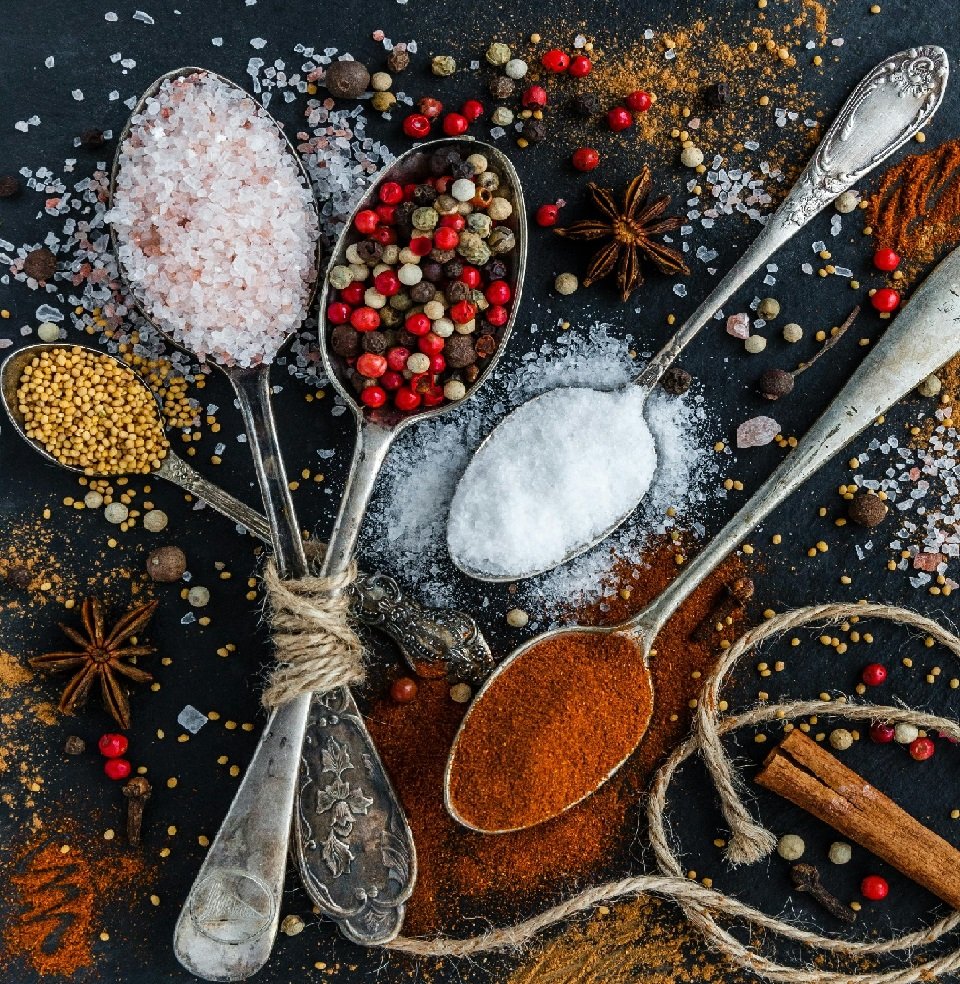
Salt is a crucial component in various industries, including food and beverage, agriculture, and manufacturing. In Indonesia, the regulation of salt types is overseen by the Ministry of Industry and the Food and Drug Supervisory Agency (BPOM). These regulatory bodies set standards for the production, packaging, and labeling of different types of salt to protect consumers and promote fair business practices. There are several types of salt commonly used in Indonesia, each with its own unique characteristics and applications. These include: 1. Table salt: This is the most common type of salt used for cooking and seasoning food. It is typically refined to remove impurities and iodized to prevent iodine deficiency. 2. Sea salt: Sea salt is harvested by evaporating seawater and retains trace minerals that give it a distinct flavor. It is often used in gourmet cooking and is popular for its natural and unprocessed quality. 3. Himalayan salt: Mined from ancient salt deposits in the Himalayas, this pink-hued salt is prized for its high mineral content and unique taste. It is often used in cooking, as a finishing salt, or for decorative purposes. 4. Rock salt: This unrefined salt is harvested from salt mines and is commonly used for deicing roads and as a water softener. It can also be ground down for use in cooking and preserving food. In Indonesia, businesses involved in the production and distribution of salt types must comply with regulations regarding hygiene, quality control, and labeling. This ensures that consumers are provided with safe and accurately labeled products that meet national standards. Overall, the regulation of salt types in Indonesia plays a crucial role in safeguarding public health, supporting the growth of businesses in the salt industry, and promoting transparency and accountability in the marketplace. By adhering to these regulations, businesses can contribute to a thriving economy while delivering high-quality salt products to consumers across the archipelago.
https://continuar.org
Leave a Comment:
SEARCH
Recent News
- Zurich, Switzerland is known for its multicultural atmosphere and diverse culinary scene. One of the lesser-known gems of Zurich's food scene is Sudanese cuisine. Sudanese cuisine is a reflection of the country's diverse cultural influences, blending Arabic, African, and Mediterranean flavors to create a unique and delicious culinary experience.
- Zurich, Switzerland: A Culinary Journey through Regional Cuisine
- Zurich, Switzerland is known for its stunning landscapes, rich history, and vibrant culture. However, another aspect of Zurich that shouldn't be overlooked is its diverse and delicious fast food scene. From traditional Swiss street food to international favorites, there is something to satisfy every craving in Zurich. Let's take a closer look at some of the popular fast food options you can find in this picturesque city.
- Zurich, Switzerland is known for its stunning natural beauty, vibrant arts scene, and strong economy. However, what many people may not know is that this dynamic city also offers a diverse culinary experience that includes delicacies from around the world. One such cuisine that has found a home in Zurich is Philippine cuisine.
- Zurich, Switzerland is known for its picturesque views, stunning architecture, and vibrant cultural scene. Located in the heart of Europe, Zurich offers a mix of traditional Swiss cuisine and international flavors. One particular cuisine that has been making waves in Zurich is Paraguayan cuisine.
- Zurich, Switzerland is a city known for its stunning views, picturesque streets, and vibrant culture. It is also a melting pot of diverse culinary influences, with a wide range of cuisines to choose from. One such cuisine that has made its mark in Zurich is Norwegian cuisine.
- Zurich, Switzerland, and Montreal, Canada, are two vibrant cities known for their distinct cultural characteristics. While Zurich is renowned for its picturesque landscapes, rich history, and high standard of living, Montreal is famous for its diverse population, vibrant arts scene, and mouth-watering cuisine. In this blog post, we will delve into the delectable culinary offerings of Montreal and explore how its unique food scene sets it apart from the culinary landscape of Zurich.
- Zurich, Switzerland is a vibrant city known for its stunning architecture, picturesque landscapes, and diverse culinary scene. While Swiss cuisine certainly holds a special place in the hearts of many locals and visitors, the city also boasts a variety of international dining options, including Latin American food.
READ MORE
10 months ago Category :

Zurich, Switzerland is known for its multicultural atmosphere and diverse culinary scene. One of the lesser-known gems of Zurich's food scene is Sudanese cuisine. Sudanese cuisine is a reflection of the country's diverse cultural influences, blending Arabic, African, and Mediterranean flavors to create a unique and delicious culinary experience.
Read More →10 months ago Category :

Zurich, Switzerland: A Culinary Journey through Regional Cuisine
Read More →10 months ago Category :

Zurich, Switzerland is known for its stunning landscapes, rich history, and vibrant culture. However, another aspect of Zurich that shouldn't be overlooked is its diverse and delicious fast food scene. From traditional Swiss street food to international favorites, there is something to satisfy every craving in Zurich. Let's take a closer look at some of the popular fast food options you can find in this picturesque city.
Read More →10 months ago Category :
