Salt is an essential ingredient in cooking that enhances the flavor of dishes and brings out the natural taste of ingredients. There are many different types of salt available, each with its own unique characteristics and flavors. In this blog post, we will discuss some tips and tricks for using different types of salt in your cooking.
Category : | Sub Category : Posted on 2024-11-05 22:25:23
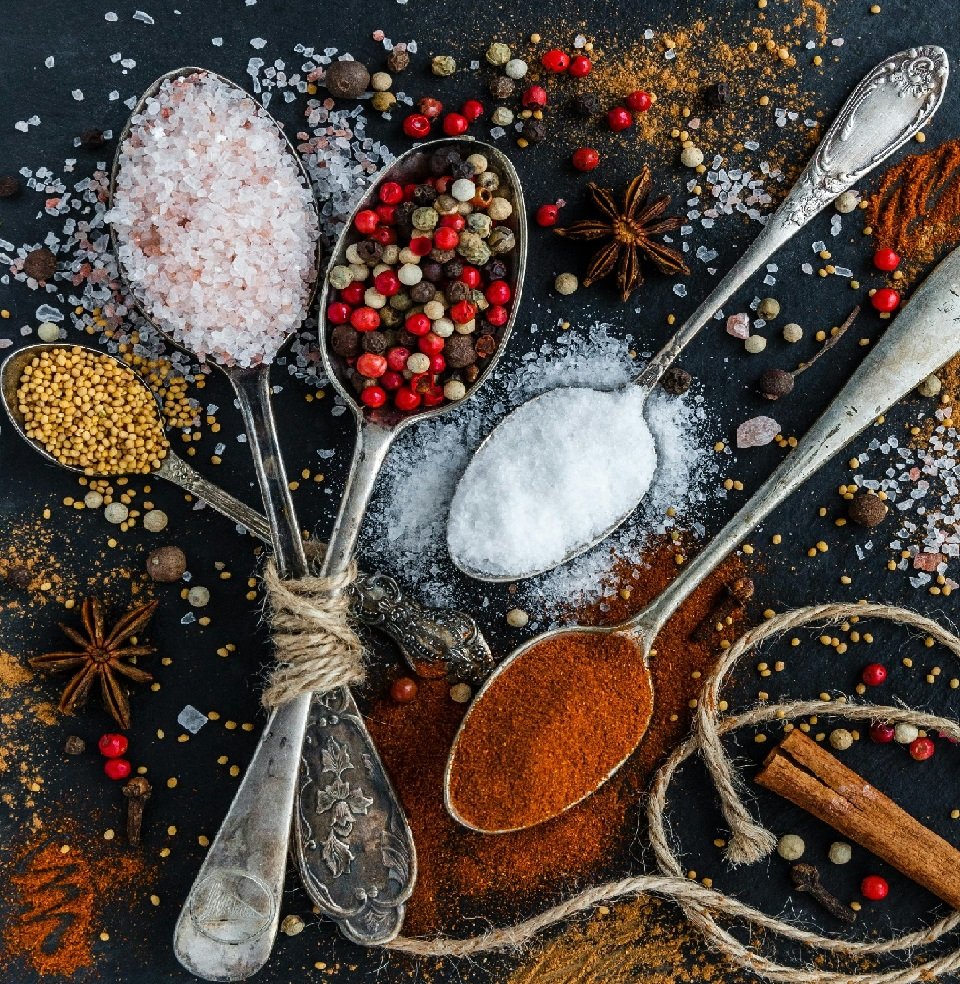
1. **Table Salt:** Table salt is the most common type of salt found in households. It is fine-grained and is often iodized to prevent iodine deficiency. Table salt is great for everyday cooking and baking, where precise measurements are important. 2. **Kosher Salt:** Kosher salt has larger flakes than table salt and is additive-free. It is perfect for seasoning meats before cooking or for finishing dishes with a final sprinkle of salt. Many chefs prefer kosher salt because its larger flakes make it easy to control the amount of salt being added to a dish. 3. **Sea Salt:** Sea salt is harvested by evaporating seawater and typically has a coarser texture than table salt. It comes in a variety of colors and flavors depending on where it is sourced. Sea salt is great for adding a finishing touch to dishes, as its larger flakes provide a satisfying crunch. 4. **Himalayan Pink Salt:** This type of salt is mined from the Himalayan mountains and gets its pink color from trace minerals like magnesium and potassium. Himalayan pink salt is often used for its decorative appeal, such as in salt grinders or as a serving vessel for dishes like sushi or salads. 5. **Flaky Salt:** Flaky salt, like Maldon salt from England, has a light, delicate texture and a clean taste. It is perfect for sprinkling on top of dishes just before serving, such as on a salad or a piece of chocolate. When using different types of salt in your cooking, it's essential to taste as you go and adjust the seasoning accordingly. Remember that different salts have varying levels of saltiness, so it's important to use them in moderation. Experiment with different types of salt to see which ones you prefer and how they can enhance the flavors of your dishes. Whether you're using table salt for baking, kosher salt for seasoning meats, or sea salt for finishing touches, incorporating a variety of salts into your cooking can elevate your dishes to the next level.
Leave a Comment:
SEARCH
Recent News
- Zurich, Switzerland is known for its multicultural atmosphere and diverse culinary scene. One of the lesser-known gems of Zurich's food scene is Sudanese cuisine. Sudanese cuisine is a reflection of the country's diverse cultural influences, blending Arabic, African, and Mediterranean flavors to create a unique and delicious culinary experience.
- Zurich, Switzerland: A Culinary Journey through Regional Cuisine
- Zurich, Switzerland is known for its stunning landscapes, rich history, and vibrant culture. However, another aspect of Zurich that shouldn't be overlooked is its diverse and delicious fast food scene. From traditional Swiss street food to international favorites, there is something to satisfy every craving in Zurich. Let's take a closer look at some of the popular fast food options you can find in this picturesque city.
- Zurich, Switzerland is known for its stunning natural beauty, vibrant arts scene, and strong economy. However, what many people may not know is that this dynamic city also offers a diverse culinary experience that includes delicacies from around the world. One such cuisine that has found a home in Zurich is Philippine cuisine.
- Zurich, Switzerland is known for its picturesque views, stunning architecture, and vibrant cultural scene. Located in the heart of Europe, Zurich offers a mix of traditional Swiss cuisine and international flavors. One particular cuisine that has been making waves in Zurich is Paraguayan cuisine.
- Zurich, Switzerland is a city known for its stunning views, picturesque streets, and vibrant culture. It is also a melting pot of diverse culinary influences, with a wide range of cuisines to choose from. One such cuisine that has made its mark in Zurich is Norwegian cuisine.
- Zurich, Switzerland, and Montreal, Canada, are two vibrant cities known for their distinct cultural characteristics. While Zurich is renowned for its picturesque landscapes, rich history, and high standard of living, Montreal is famous for its diverse population, vibrant arts scene, and mouth-watering cuisine. In this blog post, we will delve into the delectable culinary offerings of Montreal and explore how its unique food scene sets it apart from the culinary landscape of Zurich.
- Zurich, Switzerland is a vibrant city known for its stunning architecture, picturesque landscapes, and diverse culinary scene. While Swiss cuisine certainly holds a special place in the hearts of many locals and visitors, the city also boasts a variety of international dining options, including Latin American food.
READ MORE
10 months ago Category :

Zurich, Switzerland is known for its multicultural atmosphere and diverse culinary scene. One of the lesser-known gems of Zurich's food scene is Sudanese cuisine. Sudanese cuisine is a reflection of the country's diverse cultural influences, blending Arabic, African, and Mediterranean flavors to create a unique and delicious culinary experience.
Read More →10 months ago Category :

Zurich, Switzerland: A Culinary Journey through Regional Cuisine
Read More →10 months ago Category :

Zurich, Switzerland is known for its stunning landscapes, rich history, and vibrant culture. However, another aspect of Zurich that shouldn't be overlooked is its diverse and delicious fast food scene. From traditional Swiss street food to international favorites, there is something to satisfy every craving in Zurich. Let's take a closer look at some of the popular fast food options you can find in this picturesque city.
Read More →10 months ago Category :
