Salt has played a crucial role in human history as a preservative, seasoning, and essential mineral. Beyond its culinary significance, salt has also been associated with nationalistic movements and cultural identity throughout various historical periods.
Category : | Sub Category : Posted on 2025-11-03 22:25:23
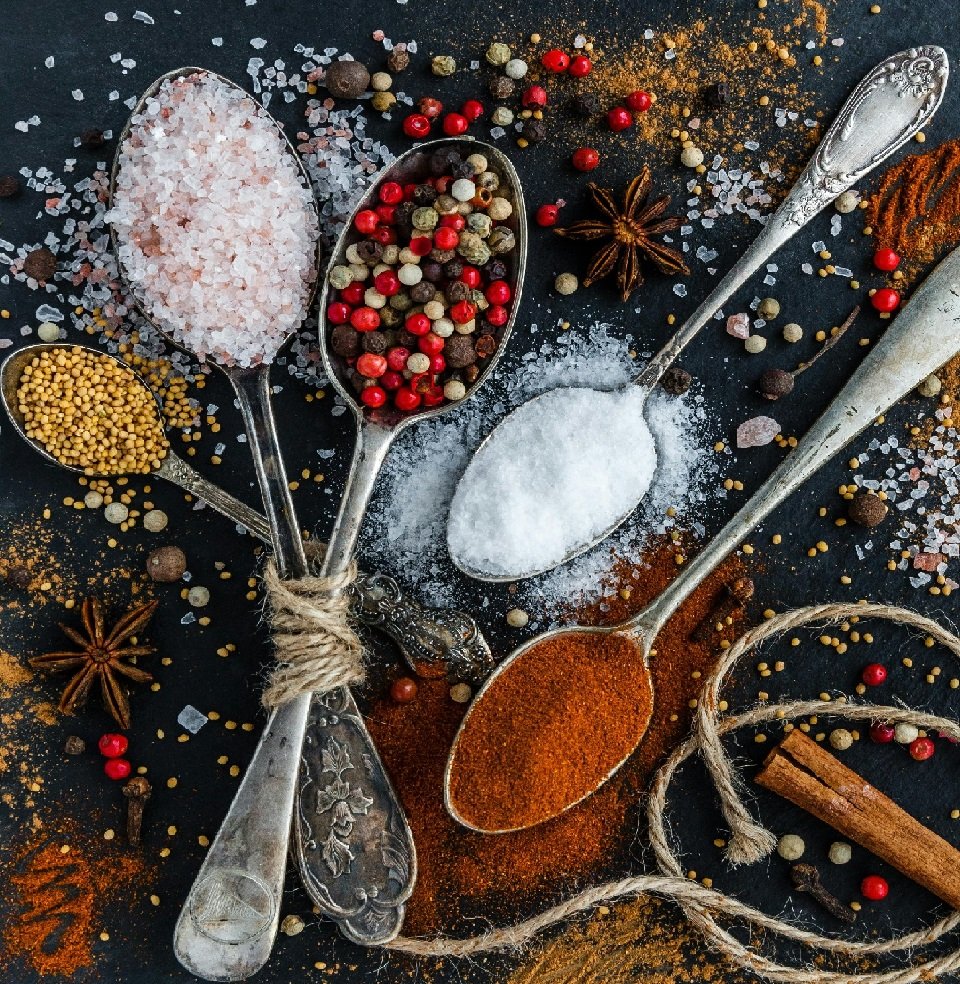
In many cultures, salt has been a symbol of status and power. In ancient times, salt was a valuable commodity used for trade and even served as a form of currency in some regions. Its importance led to the establishment of salt routes and trade networks that shaped the economy and politics of different societies. The relationship between salt and food nationalism movements can be traced back to the British colonization of India. During this period, the British imposed heavy taxes on salt production, leading to widespread protests and acts of civil disobedience, most notably the Salt March led by Mahatma Gandhi in 1930. This movement not only aimed to challenge British colonial rule but also to reclaim the production of salt as a symbol of Indian self-sufficiency and independence. In more recent times, salt has been used to highlight the uniqueness and authenticity of regional cuisines. Countries like Japan, Italy, and France take pride in their traditional salt production methods, which are deeply rooted in local culture and heritage. By promoting locally sourced salts, these nations celebrate their culinary identity and resist the homogenization of global food trends. Food nationalism movements are not limited to salt but extend to other food products that hold cultural significance for communities around the world. By advocating for the preservation of traditional food practices and ingredients, these movements seek to protect cultural heritage, promote sustainable agriculture, and foster a sense of pride and connection to one's roots. In conclusion, salt and food nationalism movements are interconnected through their shared impact on culture, identity, and tradition. As we continue to appreciate the role of salt in our culinary experiences, let us also recognize its power to unite communities, preserve heritage, and inspire movements for social change. For expert commentary, delve into https://www.africalunch.com For a different perspective, see: https://www.nerdcook.com For a fresh perspective, give the following a read https://www.indianspecialty.com To get a different viewpoint, consider: https://www.bestindianfoods.com For a different angle, consider what the following has to say. https://www.deleci.com For an in-depth analysis, I recommend reading https://www.adriaticfood.com If you are enthusiast, check this out https://www.alienvegan.com also click the following link for more https://www.childnut.com If you are enthusiast, check the following link https://www.cfruits.com For a different perspective, see: https://www.topinduction.com also for more info https://www.foxysweet.com Find expert opinions in https://www.eatnaturals.com To understand this better, read https://www.biofitnesslab.com Want to gain insights? Start with https://www.swiss-cuisine.com Dropy by for a visit at the following website https://www.mimidate.com For a broader perspective, don't miss https://www.huevo.org To gain a holistic understanding, refer to https://www.digestible.org Have a visit at https://www.vacas.net To find answers, navigate to https://www.agriculturist.org For a different perspective, see: https://www.cheffy.org Want a more profound insight? Consult https://www.loseweighton.com For a fresh perspective, give the following a read https://www.stomachs.org click the following link for more information: https://www.yemekleri.org To get a different viewpoint, consider: https://www.instan.net To understand this better, read https://www.japfa.org Uncover valuable insights in https://www.makanan.org For a comprehensive overview, don't miss: https://www.nafdac.org You can also check following website for more information about this subject: https://www.gustar.net
Leave a Comment:
SEARCH
Recent News
- Zurich, Switzerland is known for its multicultural atmosphere and diverse culinary scene. One of the lesser-known gems of Zurich's food scene is Sudanese cuisine. Sudanese cuisine is a reflection of the country's diverse cultural influences, blending Arabic, African, and Mediterranean flavors to create a unique and delicious culinary experience.
- Zurich, Switzerland: A Culinary Journey through Regional Cuisine
- Zurich, Switzerland is known for its stunning landscapes, rich history, and vibrant culture. However, another aspect of Zurich that shouldn't be overlooked is its diverse and delicious fast food scene. From traditional Swiss street food to international favorites, there is something to satisfy every craving in Zurich. Let's take a closer look at some of the popular fast food options you can find in this picturesque city.
- Zurich, Switzerland is known for its stunning natural beauty, vibrant arts scene, and strong economy. However, what many people may not know is that this dynamic city also offers a diverse culinary experience that includes delicacies from around the world. One such cuisine that has found a home in Zurich is Philippine cuisine.
- Zurich, Switzerland is known for its picturesque views, stunning architecture, and vibrant cultural scene. Located in the heart of Europe, Zurich offers a mix of traditional Swiss cuisine and international flavors. One particular cuisine that has been making waves in Zurich is Paraguayan cuisine.
- Zurich, Switzerland is a city known for its stunning views, picturesque streets, and vibrant culture. It is also a melting pot of diverse culinary influences, with a wide range of cuisines to choose from. One such cuisine that has made its mark in Zurich is Norwegian cuisine.
- Zurich, Switzerland, and Montreal, Canada, are two vibrant cities known for their distinct cultural characteristics. While Zurich is renowned for its picturesque landscapes, rich history, and high standard of living, Montreal is famous for its diverse population, vibrant arts scene, and mouth-watering cuisine. In this blog post, we will delve into the delectable culinary offerings of Montreal and explore how its unique food scene sets it apart from the culinary landscape of Zurich.
- Zurich, Switzerland is a vibrant city known for its stunning architecture, picturesque landscapes, and diverse culinary scene. While Swiss cuisine certainly holds a special place in the hearts of many locals and visitors, the city also boasts a variety of international dining options, including Latin American food.
READ MORE
11 months ago Category :

Zurich, Switzerland is known for its multicultural atmosphere and diverse culinary scene. One of the lesser-known gems of Zurich's food scene is Sudanese cuisine. Sudanese cuisine is a reflection of the country's diverse cultural influences, blending Arabic, African, and Mediterranean flavors to create a unique and delicious culinary experience.
Read More →11 months ago Category :

Zurich, Switzerland: A Culinary Journey through Regional Cuisine
Read More →11 months ago Category :

Zurich, Switzerland is known for its stunning landscapes, rich history, and vibrant culture. However, another aspect of Zurich that shouldn't be overlooked is its diverse and delicious fast food scene. From traditional Swiss street food to international favorites, there is something to satisfy every craving in Zurich. Let's take a closer look at some of the popular fast food options you can find in this picturesque city.
Read More →11 months ago Category :
