The Importance of Food Preservation with Salt for Refugees
Category : | Sub Category : Posted on 2024-11-05 22:25:23
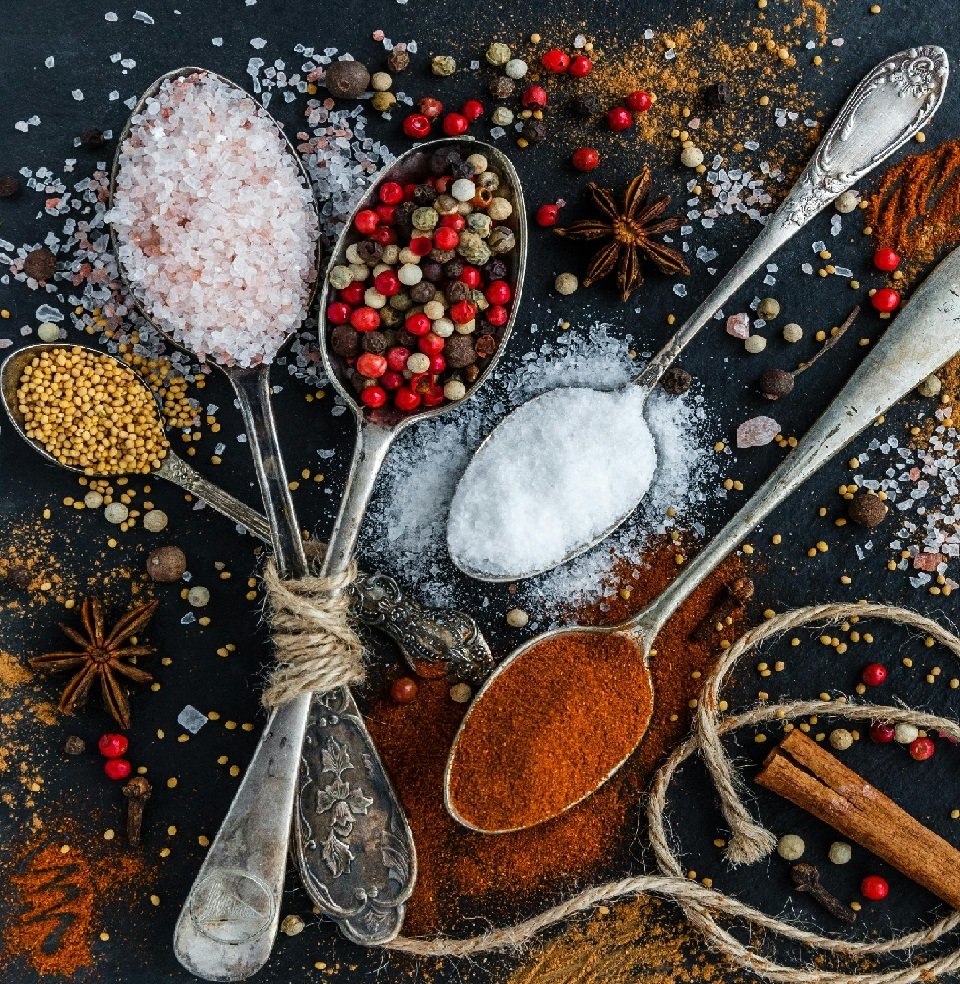
In times of crisis, refugees often face challenges when it comes to securing and preserving their food supply. One common method that has been used for centuries to extend the shelf life of food is preservation with salt. Salt has been a key ingredient in food preservation due to its ability to inhibit the growth of bacteria and other microorganisms that cause food spoilage. In this blog post, we will explore the importance of food preservation with salt for refugees and how this simple yet effective technique can help ensure food security in difficult circumstances. One of the main benefits of using salt for food preservation is its ability to dehydrate food, creating an environment where bacteria and other harmful organisms cannot thrive. By effectively drawing out moisture from food, salt helps prevent the growth of microorganisms that can lead to spoilage and foodborne illnesses. This is particularly important for refugees who may not have access to refrigeration or other modern preservation methods. In addition to preventing spoilage, preserving food with salt can also help refugees stretch their limited food supplies further. By curing meats, fish, and vegetables with salt, refugees can extend the shelf life of these perishable items, allowing them to be stored for longer periods of time without spoiling. This can be especially valuable in situations where refugees may not have regular access to fresh food or where food aid deliveries are infrequent. Another advantage of using salt for food preservation is its ability to enhance the flavor of foods. Curing food with salt can help intensify and develop the natural flavors of ingredients, creating rich and savory dishes that are both delicious and nutritious. This can be particularly important for refugees who may be dealing with limited food options and basic ingredients. While salt has many benefits for food preservation, it is important to use it in moderation and to follow proper techniques to ensure food safety. Too much salt can be harmful to health, so refugees must be mindful of the amount of salt used when preserving food. Additionally, proper sanitation and hygiene practices must be followed to prevent contamination and foodborne illnesses. In conclusion, food preservation with salt is a valuable technique that can help refugees ensure food security, extend the shelf life of perishable items, and enhance the flavor of their meals. By understanding the importance of this simple yet effective method, refugees can better cope with food insecurity and challenges during times of crisis. If you are interested you can check https://www.adriaticfood.com Want to know more? Don't forget to read: https://www.alienvegan.com Explore expert opinions in https://www.childnut.com Looking for more information? Check out https://www.cfruits.com For more information: https://www.topinduction.com Dropy by for a visit at the following website https://www.foxysweet.com Uncover valuable insights in https://www.eatnaturals.com For more info https://www.biofitnesslab.com More in https://www.swiss-cuisine.com Have a look at the following website to get more information https://www.mimidate.com visit: https://www.huevo.org Here is the following website to check: https://www.digestible.org Visit the following website https://www.vacas.net For a comprehensive overview, don't miss: https://www.agriculturist.org also for more https://www.cheffy.org Want a deeper understanding? https://www.loseweighton.com Get more at https://www.stomachs.org For a detailed analysis, explore: https://www.yemekleri.org
Leave a Comment:
SEARCH
Recent News
- Zurich, Switzerland is known for its multicultural atmosphere and diverse culinary scene. One of the lesser-known gems of Zurich's food scene is Sudanese cuisine. Sudanese cuisine is a reflection of the country's diverse cultural influences, blending Arabic, African, and Mediterranean flavors to create a unique and delicious culinary experience.
- Zurich, Switzerland: A Culinary Journey through Regional Cuisine
- Zurich, Switzerland is known for its stunning landscapes, rich history, and vibrant culture. However, another aspect of Zurich that shouldn't be overlooked is its diverse and delicious fast food scene. From traditional Swiss street food to international favorites, there is something to satisfy every craving in Zurich. Let's take a closer look at some of the popular fast food options you can find in this picturesque city.
- Zurich, Switzerland is known for its stunning natural beauty, vibrant arts scene, and strong economy. However, what many people may not know is that this dynamic city also offers a diverse culinary experience that includes delicacies from around the world. One such cuisine that has found a home in Zurich is Philippine cuisine.
- Zurich, Switzerland is known for its picturesque views, stunning architecture, and vibrant cultural scene. Located in the heart of Europe, Zurich offers a mix of traditional Swiss cuisine and international flavors. One particular cuisine that has been making waves in Zurich is Paraguayan cuisine.
- Zurich, Switzerland is a city known for its stunning views, picturesque streets, and vibrant culture. It is also a melting pot of diverse culinary influences, with a wide range of cuisines to choose from. One such cuisine that has made its mark in Zurich is Norwegian cuisine.
- Zurich, Switzerland, and Montreal, Canada, are two vibrant cities known for their distinct cultural characteristics. While Zurich is renowned for its picturesque landscapes, rich history, and high standard of living, Montreal is famous for its diverse population, vibrant arts scene, and mouth-watering cuisine. In this blog post, we will delve into the delectable culinary offerings of Montreal and explore how its unique food scene sets it apart from the culinary landscape of Zurich.
- Zurich, Switzerland is a vibrant city known for its stunning architecture, picturesque landscapes, and diverse culinary scene. While Swiss cuisine certainly holds a special place in the hearts of many locals and visitors, the city also boasts a variety of international dining options, including Latin American food.
READ MORE
10 months ago Category :

Zurich, Switzerland is known for its multicultural atmosphere and diverse culinary scene. One of the lesser-known gems of Zurich's food scene is Sudanese cuisine. Sudanese cuisine is a reflection of the country's diverse cultural influences, blending Arabic, African, and Mediterranean flavors to create a unique and delicious culinary experience.
Read More →10 months ago Category :

Zurich, Switzerland: A Culinary Journey through Regional Cuisine
Read More →10 months ago Category :

Zurich, Switzerland is known for its stunning landscapes, rich history, and vibrant culture. However, another aspect of Zurich that shouldn't be overlooked is its diverse and delicious fast food scene. From traditional Swiss street food to international favorites, there is something to satisfy every craving in Zurich. Let's take a closer look at some of the popular fast food options you can find in this picturesque city.
Read More →10 months ago Category :
