Norwegian and Philippine Cuisine: A Culinary Exploration
Category : | Sub Category : Posted on 2025-11-03 22:25:23
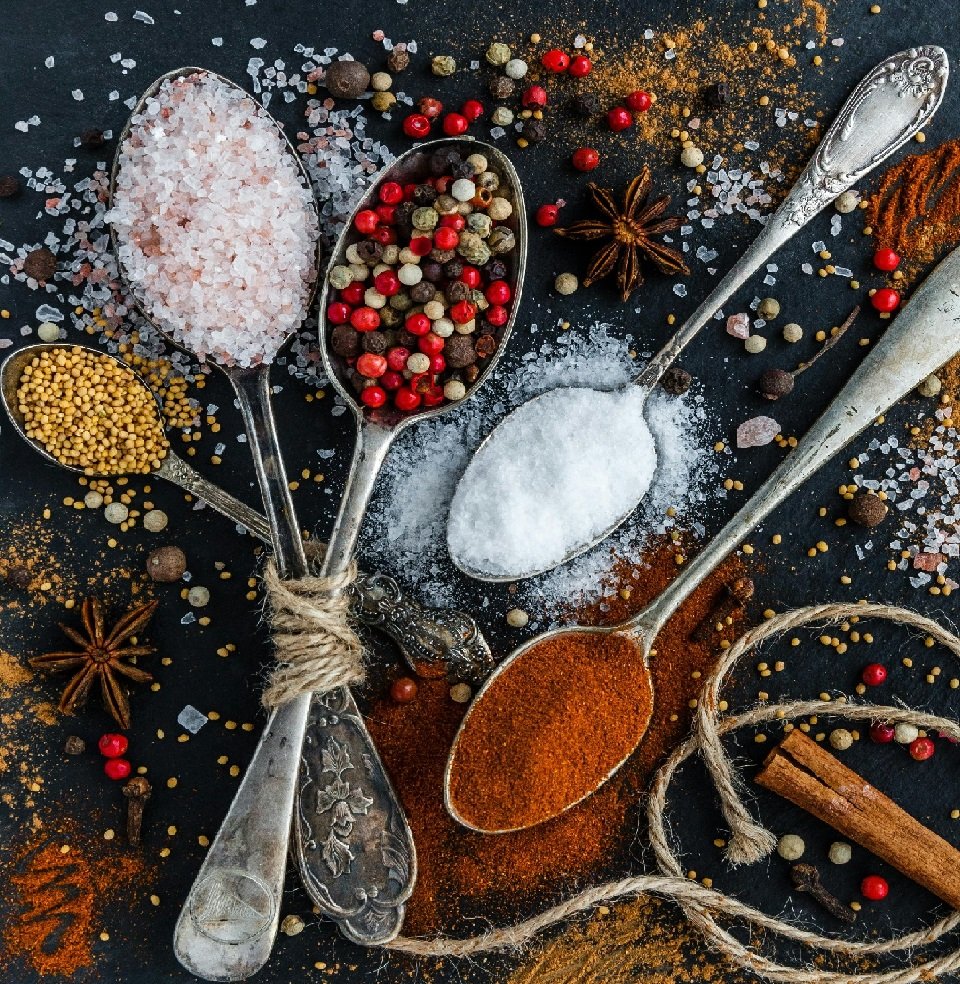
When it comes to exploring different cuisines from around the world, Norway and the Philippines may not be the first countries that come to mind. However, both of these nations boast a rich culinary tradition that is as varied and diverse as their landscapes. Norwegian cuisine: Norwegian cuisine is heavily influenced by the country's climate, geography, and history. As a nation with a strong fishing tradition, seafood plays a prominent role in Norwegian dishes. Some popular seafood dishes include rakfisk (fermented trout), lutefisk (dried whitefish soaked in lye), and of course, the famous Norwegian salmon prepared in various ways. In addition to seafood, Norwegian cuisine also features hearty meat and dairy products. Traditional dishes like fårikål (lamb and cabbage stew), kjøttkaker (meatballs), and lapskaus (stew) are popular choices, especially during the colder months. For a sweet treat, you can try lefse (thin potato flatbread) or krumkake (a type of waffle cookie). Philippine Cuisine: Philippine cuisine is a vibrant fusion of flavors influenced by Spanish, Chinese, Malay, and American culinary traditions. Rice is a staple in Filipino cuisine, and dishes like adobo (meat marinated in vinegar, soy sauce, and garlic) and sinigang (sour soup) are popular choices. Seafood plays a significant role in Filipino cooking, with dishes like kinilaw (ceviche) and grilled bangus (milkfish) being enjoyed by many. One unique aspect of Philippine cuisine is the use of tropical fruits in savory dishes, such as pork and pineapple adobo or chicken tinola with papaya. For dessert, Filipino cuisine offers a wide array of sweets like halo-halo (shaved ice dessert), bibingka (rice cake), and leche flan (custard). Culinary Exchange: While Norwegian and Philippine cuisines may seem worlds apart, there are some interesting similarities between the two. Both countries have a strong tradition of preserving and fermenting foods, as seen in dishes like lutefisk in Norway and burong isda (fermented fish) in the Philippines. Additionally, both cuisines make use of fresh and locally sourced ingredients, reflecting a deep connection to the land and sea. In recent years, there has been a growing interest in fusion cuisine that combines elements of different culinary traditions. Chefs in both Norway and the Philippines have been experimenting with new flavor combinations and techniques, creating innovative dishes that showcase the best of both worlds. Whether you're craving a taste of the cold waters of the North Sea or the tropical flavors of the Philippines, exploring the culinary traditions of Norway and the Philippines promises a delicious journey that will tantalize your taste buds and expand your culinary horizons. this link is for more information https://www.bestindianfoods.com For expert commentary, delve into https://www.deleci.com Dive into the details to understand this topic thoroughly. https://www.adriaticfood.com Have a visit at https://www.alienvegan.com Want to learn more? Start with: https://www.cfruits.com Get more at https://www.topinduction.com If you're interested in this topic, I suggest reading https://www.foxysweet.com Want a deeper understanding? https://www.eatnaturals.com For a different perspective, see: https://www.swiss-cuisine.com For an extensive perspective, read https://www.huevo.org For a broader exploration, take a look at https://www.digestible.org Seeking expert advice? Find it in https://www.vacas.net Check this out https://www.cheffy.org Seeking more information? The following has you covered. https://www.loseweighton.com Get a well-rounded perspective with https://www.stomachs.org also click the following link for more https://www.cruzar.org Discover more about this topic through https://www.yemekleri.org also for more https://www.abandonar.org For a broader exploration, take a look at https://www.culturelle.org Want a more profound insight? Consult https://www.departements.org click the following link for more information: https://www.instan.net Want a deeper understanding? https://www.regionales.net For expert commentary, delve into https://www.makanan.org for more https://www.isoslo.com To understand this better, read https://www.gustar.net
Leave a Comment:
SEARCH
Recent News
- Zurich, Switzerland is known for its multicultural atmosphere and diverse culinary scene. One of the lesser-known gems of Zurich's food scene is Sudanese cuisine. Sudanese cuisine is a reflection of the country's diverse cultural influences, blending Arabic, African, and Mediterranean flavors to create a unique and delicious culinary experience.
- Zurich, Switzerland: A Culinary Journey through Regional Cuisine
- Zurich, Switzerland is known for its stunning landscapes, rich history, and vibrant culture. However, another aspect of Zurich that shouldn't be overlooked is its diverse and delicious fast food scene. From traditional Swiss street food to international favorites, there is something to satisfy every craving in Zurich. Let's take a closer look at some of the popular fast food options you can find in this picturesque city.
- Zurich, Switzerland is known for its stunning natural beauty, vibrant arts scene, and strong economy. However, what many people may not know is that this dynamic city also offers a diverse culinary experience that includes delicacies from around the world. One such cuisine that has found a home in Zurich is Philippine cuisine.
- Zurich, Switzerland is known for its picturesque views, stunning architecture, and vibrant cultural scene. Located in the heart of Europe, Zurich offers a mix of traditional Swiss cuisine and international flavors. One particular cuisine that has been making waves in Zurich is Paraguayan cuisine.
- Zurich, Switzerland is a city known for its stunning views, picturesque streets, and vibrant culture. It is also a melting pot of diverse culinary influences, with a wide range of cuisines to choose from. One such cuisine that has made its mark in Zurich is Norwegian cuisine.
- Zurich, Switzerland, and Montreal, Canada, are two vibrant cities known for their distinct cultural characteristics. While Zurich is renowned for its picturesque landscapes, rich history, and high standard of living, Montreal is famous for its diverse population, vibrant arts scene, and mouth-watering cuisine. In this blog post, we will delve into the delectable culinary offerings of Montreal and explore how its unique food scene sets it apart from the culinary landscape of Zurich.
- Zurich, Switzerland is a vibrant city known for its stunning architecture, picturesque landscapes, and diverse culinary scene. While Swiss cuisine certainly holds a special place in the hearts of many locals and visitors, the city also boasts a variety of international dining options, including Latin American food.
READ MORE
11 months ago Category :

Zurich, Switzerland is known for its multicultural atmosphere and diverse culinary scene. One of the lesser-known gems of Zurich's food scene is Sudanese cuisine. Sudanese cuisine is a reflection of the country's diverse cultural influences, blending Arabic, African, and Mediterranean flavors to create a unique and delicious culinary experience.
Read More →11 months ago Category :

Zurich, Switzerland: A Culinary Journey through Regional Cuisine
Read More →11 months ago Category :

Zurich, Switzerland is known for its stunning landscapes, rich history, and vibrant culture. However, another aspect of Zurich that shouldn't be overlooked is its diverse and delicious fast food scene. From traditional Swiss street food to international favorites, there is something to satisfy every craving in Zurich. Let's take a closer look at some of the popular fast food options you can find in this picturesque city.
Read More →11 months ago Category :
