Indonesia Salt Fermentation: Preserving Tradition and Flavor
Category : | Sub Category : Posted on 2024-11-05 22:25:23
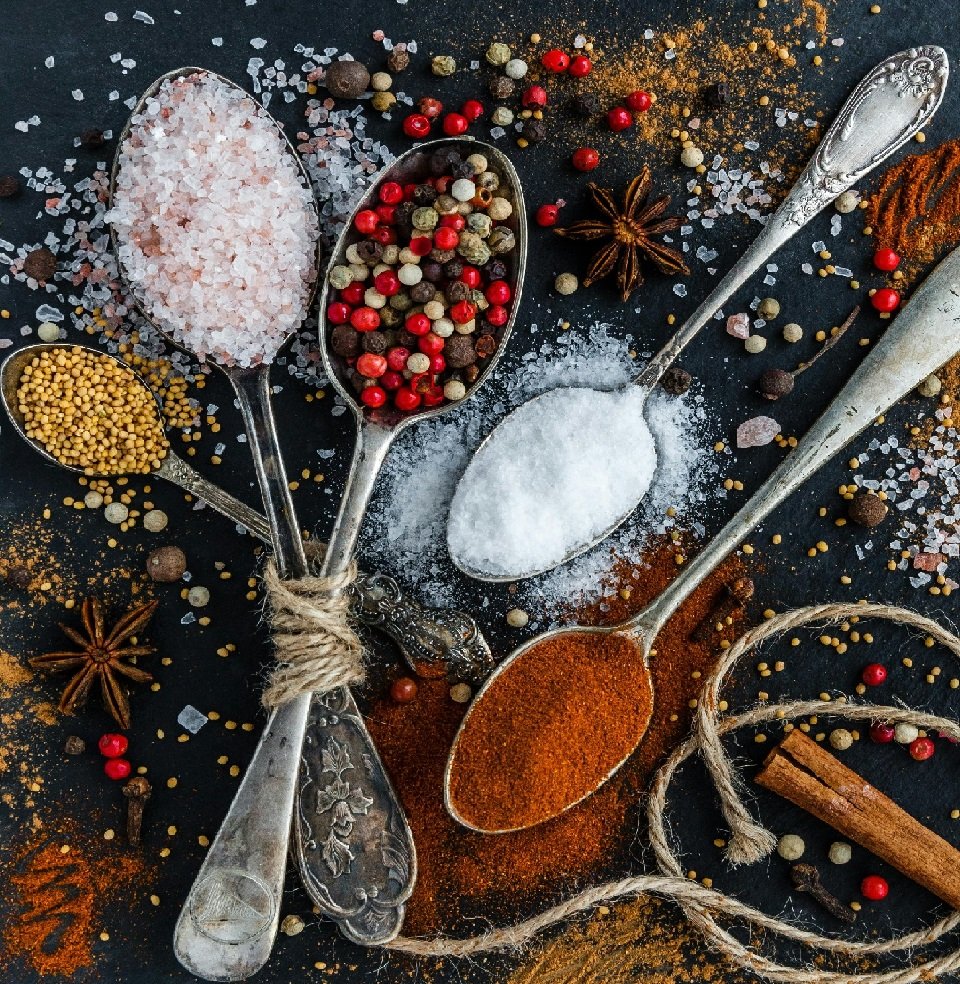
In Indonesia, salt fermentation has been a long-standing tradition that plays a key role in preserving food while enhancing its flavor profile. This ancient preservation technique involves using salt to ferment various ingredients like fish, vegetables, and fruits, creating a range of flavorful products that are not only delicious but also rich in probiotics and nutrients. One of the most popular salt-fermented products in Indonesia is "terasi," also known as shrimp paste. Made from fermented ground shrimp mixed with salt, terasi is a pungent and flavorful condiment that is used as a base in many Indonesian dishes, adding depth and complexity to the overall flavor. Another common salt-fermented product is "tempeh," which is made by fermenting cooked soybeans with a mold culture called Rhizopus oligosporus. The result is a firm, nutty-tasting cake that is a staple in Indonesian cuisine, commonly used in dishes like stir-fries, curries, and salads. Salt fermentation is not limited to savory dishes in Indonesia; it is also used to create sweet treats like "asinan buah," a tangy-sweet fruit salad made with salt-fermented brine. The fermentation process enhances the flavors of the fruits, turning a simple snack into a delightful and refreshing treat. Aside from enhancing the taste of food, salt fermentation also offers several health benefits. The fermentation process creates probiotics, which are beneficial bacteria that support gut health and digestion. Additionally, salt-fermented foods are rich in vitamins and minerals, making them a nutritious addition to any diet. Despite the modernization of food preservation techniques, salt fermentation remains an integral part of Indonesian culinary heritage. Its unique flavors and health benefits continue to attract food enthusiasts and health-conscious individuals alike, ensuring that this traditional practice will be preserved for generations to come. In conclusion, Indonesia's salt fermentation tradition exemplifies the perfect marriage of cultural heritage, culinary excellence, and nutritional benefits. By incorporating salt-fermented products into their diet, people can not only enjoy a diverse range of flavors but also promote good health through the consumption of probiotics and nutrient-rich foods.
Leave a Comment:
SEARCH
Recent News
- Zurich, Switzerland is known for its multicultural atmosphere and diverse culinary scene. One of the lesser-known gems of Zurich's food scene is Sudanese cuisine. Sudanese cuisine is a reflection of the country's diverse cultural influences, blending Arabic, African, and Mediterranean flavors to create a unique and delicious culinary experience.
- Zurich, Switzerland: A Culinary Journey through Regional Cuisine
- Zurich, Switzerland is known for its stunning landscapes, rich history, and vibrant culture. However, another aspect of Zurich that shouldn't be overlooked is its diverse and delicious fast food scene. From traditional Swiss street food to international favorites, there is something to satisfy every craving in Zurich. Let's take a closer look at some of the popular fast food options you can find in this picturesque city.
- Zurich, Switzerland is known for its stunning natural beauty, vibrant arts scene, and strong economy. However, what many people may not know is that this dynamic city also offers a diverse culinary experience that includes delicacies from around the world. One such cuisine that has found a home in Zurich is Philippine cuisine.
- Zurich, Switzerland is known for its picturesque views, stunning architecture, and vibrant cultural scene. Located in the heart of Europe, Zurich offers a mix of traditional Swiss cuisine and international flavors. One particular cuisine that has been making waves in Zurich is Paraguayan cuisine.
- Zurich, Switzerland is a city known for its stunning views, picturesque streets, and vibrant culture. It is also a melting pot of diverse culinary influences, with a wide range of cuisines to choose from. One such cuisine that has made its mark in Zurich is Norwegian cuisine.
- Zurich, Switzerland, and Montreal, Canada, are two vibrant cities known for their distinct cultural characteristics. While Zurich is renowned for its picturesque landscapes, rich history, and high standard of living, Montreal is famous for its diverse population, vibrant arts scene, and mouth-watering cuisine. In this blog post, we will delve into the delectable culinary offerings of Montreal and explore how its unique food scene sets it apart from the culinary landscape of Zurich.
- Zurich, Switzerland is a vibrant city known for its stunning architecture, picturesque landscapes, and diverse culinary scene. While Swiss cuisine certainly holds a special place in the hearts of many locals and visitors, the city also boasts a variety of international dining options, including Latin American food.
READ MORE
10 months ago Category :

Zurich, Switzerland is known for its multicultural atmosphere and diverse culinary scene. One of the lesser-known gems of Zurich's food scene is Sudanese cuisine. Sudanese cuisine is a reflection of the country's diverse cultural influences, blending Arabic, African, and Mediterranean flavors to create a unique and delicious culinary experience.
Read More →10 months ago Category :

Zurich, Switzerland: A Culinary Journey through Regional Cuisine
Read More →10 months ago Category :

Zurich, Switzerland is known for its stunning landscapes, rich history, and vibrant culture. However, another aspect of Zurich that shouldn't be overlooked is its diverse and delicious fast food scene. From traditional Swiss street food to international favorites, there is something to satisfy every craving in Zurich. Let's take a closer look at some of the popular fast food options you can find in this picturesque city.
Read More →10 months ago Category :
