Bolivian Cuisine: The Vibrant Use of Natural Dyeing Pigments
Category : | Sub Category : Posted on 2025-11-03 22:25:23
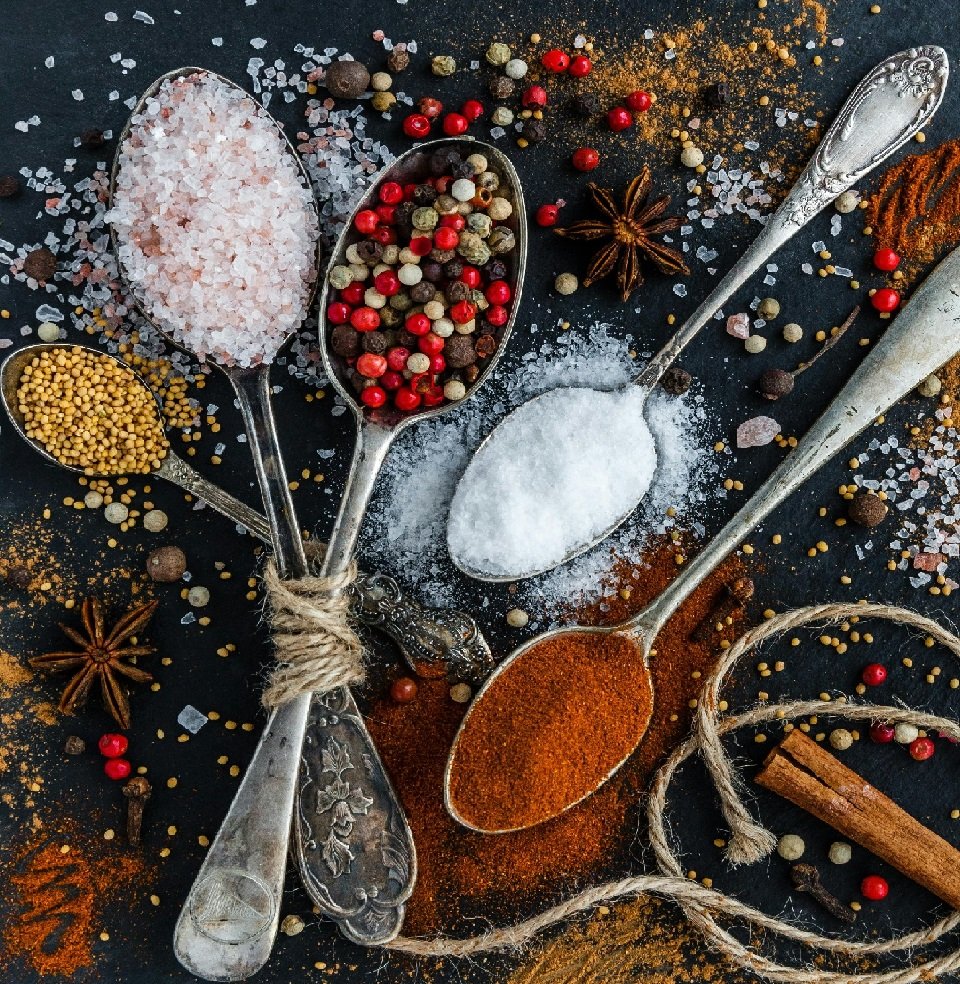
Bolivia, a country known for its rich cultural heritage and stunning landscapes, is also home to a vibrant culinary tradition that showcases the use of natural dyeing pigments in its dishes. Bolivian cuisine is a fusion of indigenous Andean ingredients and Spanish influences, creating a unique and flavorful array of dishes that are not only delicious but also visually stunning. One of the key elements that sets Bolivian cuisine apart is the use of natural dyeing pigments to color and flavor dishes. These pigments are derived from a variety of plants, fruits, and vegetables found in the country's diverse ecosystems. From the deep red hues of aji amarillo peppers to the vibrant purple of the maqui berry, these natural pigments not only add color to dishes but also imbue them with unique flavors and nutritional benefits. One of the most iconic dishes that showcases the use of natural dyeing pigments in Bolivian cuisine is llajwa, a spicy salsa made with tomatoes, chilies, and herbs. The bright red color of llajwa comes from the aji amarillo pepper, which is not only visually striking but also adds a bold and spicy flavor to the salsa. This dish is often served alongside traditional Bolivian dishes such as salteñas, empanadas filled with a savory mixture of meat, potatoes, and peas. Another popular dish that highlights the use of natural dyeing pigments is quinoa soup, a nutritious and comforting dish made with quinoa, vegetables, and herbs. The vibrant green color of the soup is achieved by adding ingredients such as spinach and cilantro, which not only give the dish its color but also contribute to its fresh and herbaceous flavor. Quinoa soup is a staple in Bolivian households and is enjoyed year-round, especially during the colder months. In addition to savory dishes, Bolivian cuisine also features a variety of desserts and drinks that showcase the use of natural dyeing pigments. One such example is api morado, a sweet and spiced purple corn drink that is popular during festivals and holidays. The deep purple color of api morado comes from boiling purple corn with fruits such as pineapple and apple, resulting in a flavorful and visually striking beverage that is enjoyed by people of all ages. Overall, the use of natural dyeing pigments in Bolivian cuisine adds not only color and flavor but also a connection to the country's rich cultural and culinary heritage. By incorporating these pigments into their dishes, Bolivian chefs are able to create visually stunning and delicious meals that celebrate the bounty of the country's natural ingredients. Whether you are a food enthusiast looking to explore new flavors or a traveler eager to experience the tastes of Bolivia, experimenting with natural dyeing pigments in your cooking can help you create dishes that are as beautiful as they are delicious. Want a deeper understanding? https://www.nerdcook.com For comprehensive coverage, check out https://www.bkitchens.com For a different take on this issue, see https://www.indianspecialty.com For valuable insights, consult https://www.bestindianfoods.com Looking for expert opinions? Find them in https://www.deleci.com Looking for more information? Check out https://www.adriaticfood.com also visit the following website https://www.alienvegan.com To get more information check: https://www.cfruits.com Explore this subject further by checking out https://www.topinduction.com For more information: https://www.foxysweet.com If you are enthusiast, check the following link https://www.eatnaturals.com If you are enthusiast, check the following link https://www.swiss-cuisine.com Explore this subject further for a deeper understanding. https://www.hispanicblogger.com sources: https://www.huevo.org Want to know more? Don't forget to read: https://www.investigar.org If you are interested you can check https://www.cotidiano.org For more information about this: https://www.sugerencias.net More in https://www.digestible.org To understand this better, read https://www.vacas.net To get a better understanding, go through https://www.cheffy.org For the latest insights, read: https://www.loseweighton.com You can also Have a visit at https://www.stomachs.org Explore this subject further by checking out https://www.tosaopaulo.com Seeking more information? The following has you covered. https://www.indicazioni.com For a broader exploration, take a look at https://www.diaria.org More in https://www.cruzar.org Dive into the details to understand this topic thoroughly. https://www.yemekleri.org For more information about this: https://www.argentinainfo.com To see the full details, click on: https://www.abandonar.org Get a comprehensive view with https://www.culturelle.org For more information check: https://www.departements.org also for more https://www.riodejanieroinfo.com Want to know more? Don't forget to read: https://www.latinoamericano.net Get a well-rounded perspective with https://www.instan.net For more info https://www.regionales.net Want to expand your knowledge? Start with https://www.makanan.org Have a visit at https://www.mexicocityinfo.com To get all the details, go through https://www.paraguayinfo.com Have a look at the following website to get more information https://www.boliviainfo.com You can also Have a visit at https://www.gustar.net for more https://www.elindependiente.net
Leave a Comment:
SEARCH
Recent News
- Zurich, Switzerland is known for its multicultural atmosphere and diverse culinary scene. One of the lesser-known gems of Zurich's food scene is Sudanese cuisine. Sudanese cuisine is a reflection of the country's diverse cultural influences, blending Arabic, African, and Mediterranean flavors to create a unique and delicious culinary experience.
- Zurich, Switzerland: A Culinary Journey through Regional Cuisine
- Zurich, Switzerland is known for its stunning landscapes, rich history, and vibrant culture. However, another aspect of Zurich that shouldn't be overlooked is its diverse and delicious fast food scene. From traditional Swiss street food to international favorites, there is something to satisfy every craving in Zurich. Let's take a closer look at some of the popular fast food options you can find in this picturesque city.
- Zurich, Switzerland is known for its stunning natural beauty, vibrant arts scene, and strong economy. However, what many people may not know is that this dynamic city also offers a diverse culinary experience that includes delicacies from around the world. One such cuisine that has found a home in Zurich is Philippine cuisine.
- Zurich, Switzerland is known for its picturesque views, stunning architecture, and vibrant cultural scene. Located in the heart of Europe, Zurich offers a mix of traditional Swiss cuisine and international flavors. One particular cuisine that has been making waves in Zurich is Paraguayan cuisine.
- Zurich, Switzerland is a city known for its stunning views, picturesque streets, and vibrant culture. It is also a melting pot of diverse culinary influences, with a wide range of cuisines to choose from. One such cuisine that has made its mark in Zurich is Norwegian cuisine.
- Zurich, Switzerland, and Montreal, Canada, are two vibrant cities known for their distinct cultural characteristics. While Zurich is renowned for its picturesque landscapes, rich history, and high standard of living, Montreal is famous for its diverse population, vibrant arts scene, and mouth-watering cuisine. In this blog post, we will delve into the delectable culinary offerings of Montreal and explore how its unique food scene sets it apart from the culinary landscape of Zurich.
- Zurich, Switzerland is a vibrant city known for its stunning architecture, picturesque landscapes, and diverse culinary scene. While Swiss cuisine certainly holds a special place in the hearts of many locals and visitors, the city also boasts a variety of international dining options, including Latin American food.
READ MORE
11 months ago Category :

Zurich, Switzerland is known for its multicultural atmosphere and diverse culinary scene. One of the lesser-known gems of Zurich's food scene is Sudanese cuisine. Sudanese cuisine is a reflection of the country's diverse cultural influences, blending Arabic, African, and Mediterranean flavors to create a unique and delicious culinary experience.
Read More →11 months ago Category :

Zurich, Switzerland: A Culinary Journey through Regional Cuisine
Read More →11 months ago Category :

Zurich, Switzerland is known for its stunning landscapes, rich history, and vibrant culture. However, another aspect of Zurich that shouldn't be overlooked is its diverse and delicious fast food scene. From traditional Swiss street food to international favorites, there is something to satisfy every craving in Zurich. Let's take a closer look at some of the popular fast food options you can find in this picturesque city.
Read More →11 months ago Category :
