The Purr-suit of Nationalism: A Look at Cat Food and the Rise of Domestic Feline Nationalism Movements
Category : | Sub Category : Posted on 2025-11-03 22:25:23
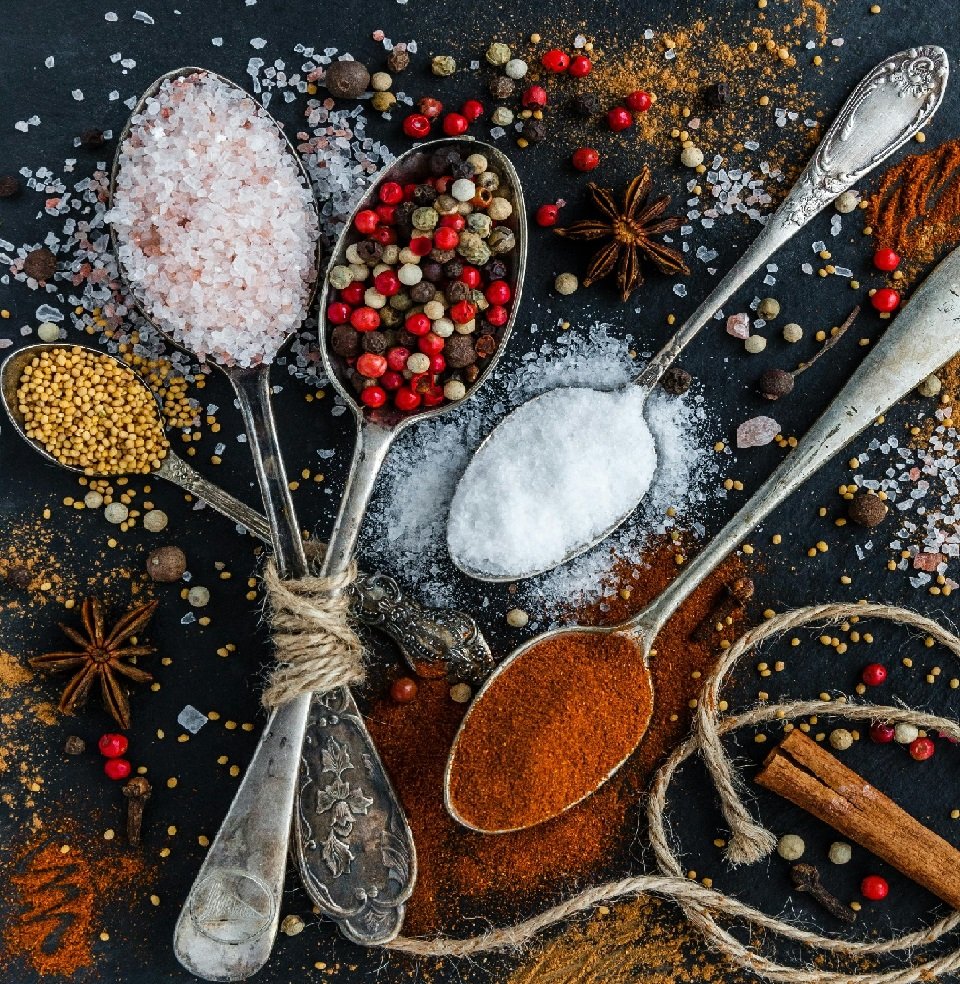
In recent years, the world has witnessed a curious phenomenon: the rise of nationalism movements centered around cat food. While traditional nationalism is often associated with politics and borders, feline nationalism movements have taken a different approach by focusing on the culinary preferences of domestic cats. The concept of feline nationalism may seem whimsical at first glance, but it actually raises important questions about identity, culture, and community. Just as human societies are shaped by their food traditions, so too are cats influenced by the foods they eat. For cat owners, selecting the right food for their feline companions is not just a matter of nutrition, but a reflection of their values and beliefs. One of the key drivers of cat food nationalism movements is the increasing awareness of the importance of high-quality nutrition for cats. As more owners prioritize premium and natural ingredients for their pets, they are also seeking out brands that align with their values. This has led to the emergence of a diverse range of cat food options, each catering to different dietary needs and preferences. At the same time, the globalization of the pet food industry has sparked debates about the cultural authenticity of certain cat food recipes. Just as human cuisines are often tied to specific regions and traditions, so too are cat food recipes associated with different cultures. The appropriation of recipes from one culture by another has sparked tensions within the feline community, with some cats and their owners advocating for the preservation of traditional recipes. In response to these debates, some cats have taken matters into their own paws by launching nationalist movements centered around specific types of cat food. These movements seek to promote the consumption of certain foods as a way to preserve cultural heritage and strengthen feline identity. While these movements may be lighthearted in nature, they also raise serious questions about the complexities of food, culture, and belonging. In conclusion, the rise of nationalism movements centered around cat food highlights the deep connections between food, identity, and community. As cat owners continue to prioritize high-quality nutrition for their pets, the debates around cat food nationalism are likely to persist. Whether it's promoting traditional recipes or advocating for new culinary creations, one thing is clear: when it comes to cat food, the purr-suit of nationalism is a topic worth exploring. Get more at https://www.bestindianfoods.com For a comprehensive review, explore https://www.deleci.com also for more info https://www.adriaticfood.com For the latest research, visit https://www.alienvegan.com For a detailed analysis, explore: https://www.childnut.com To delve deeper into this subject, consider these articles: https://www.cfruits.com Want to expand your knowledge? Start with https://www.topinduction.com Here is the following website to check: https://www.foxysweet.com Check the link below: https://www.eatnaturals.com also for more https://www.biofitnesslab.com also for more https://www.swiss-cuisine.com Want to gain insights? Start with https://www.mimidate.com Get more at https://www.huevo.org To get a holistic view, consider https://www.digestible.org For a fresh perspective, give the following a read https://www.vacas.net Curious to learn more? Click on https://www.agriculturist.org Explore expert opinions in https://www.cheffy.org If you are interested you can check the following website https://www.loseweighton.com For a broader exploration, take a look at https://www.stomachs.org Want to expand your knowledge? Start with https://www.yemekleri.org Have a look at https://www.instan.net Want to gain insights? Start with https://www.japfa.org Seeking in-depth analysis? The following is a must-read. https://www.makanan.org Have a look at https://www.nafdac.org If you are interested you can check the following website https://www.gustar.net
Leave a Comment:
SEARCH
Recent News
- Zurich, Switzerland is known for its multicultural atmosphere and diverse culinary scene. One of the lesser-known gems of Zurich's food scene is Sudanese cuisine. Sudanese cuisine is a reflection of the country's diverse cultural influences, blending Arabic, African, and Mediterranean flavors to create a unique and delicious culinary experience.
- Zurich, Switzerland: A Culinary Journey through Regional Cuisine
- Zurich, Switzerland is known for its stunning landscapes, rich history, and vibrant culture. However, another aspect of Zurich that shouldn't be overlooked is its diverse and delicious fast food scene. From traditional Swiss street food to international favorites, there is something to satisfy every craving in Zurich. Let's take a closer look at some of the popular fast food options you can find in this picturesque city.
- Zurich, Switzerland is known for its stunning natural beauty, vibrant arts scene, and strong economy. However, what many people may not know is that this dynamic city also offers a diverse culinary experience that includes delicacies from around the world. One such cuisine that has found a home in Zurich is Philippine cuisine.
- Zurich, Switzerland is known for its picturesque views, stunning architecture, and vibrant cultural scene. Located in the heart of Europe, Zurich offers a mix of traditional Swiss cuisine and international flavors. One particular cuisine that has been making waves in Zurich is Paraguayan cuisine.
- Zurich, Switzerland is a city known for its stunning views, picturesque streets, and vibrant culture. It is also a melting pot of diverse culinary influences, with a wide range of cuisines to choose from. One such cuisine that has made its mark in Zurich is Norwegian cuisine.
- Zurich, Switzerland, and Montreal, Canada, are two vibrant cities known for their distinct cultural characteristics. While Zurich is renowned for its picturesque landscapes, rich history, and high standard of living, Montreal is famous for its diverse population, vibrant arts scene, and mouth-watering cuisine. In this blog post, we will delve into the delectable culinary offerings of Montreal and explore how its unique food scene sets it apart from the culinary landscape of Zurich.
- Zurich, Switzerland is a vibrant city known for its stunning architecture, picturesque landscapes, and diverse culinary scene. While Swiss cuisine certainly holds a special place in the hearts of many locals and visitors, the city also boasts a variety of international dining options, including Latin American food.
READ MORE
10 months ago Category :

Zurich, Switzerland is known for its multicultural atmosphere and diverse culinary scene. One of the lesser-known gems of Zurich's food scene is Sudanese cuisine. Sudanese cuisine is a reflection of the country's diverse cultural influences, blending Arabic, African, and Mediterranean flavors to create a unique and delicious culinary experience.
Read More →10 months ago Category :

Zurich, Switzerland: A Culinary Journey through Regional Cuisine
Read More →10 months ago Category :

Zurich, Switzerland is known for its stunning landscapes, rich history, and vibrant culture. However, another aspect of Zurich that shouldn't be overlooked is its diverse and delicious fast food scene. From traditional Swiss street food to international favorites, there is something to satisfy every craving in Zurich. Let's take a closer look at some of the popular fast food options you can find in this picturesque city.
Read More →10 months ago Category :
