1 year ago Category :
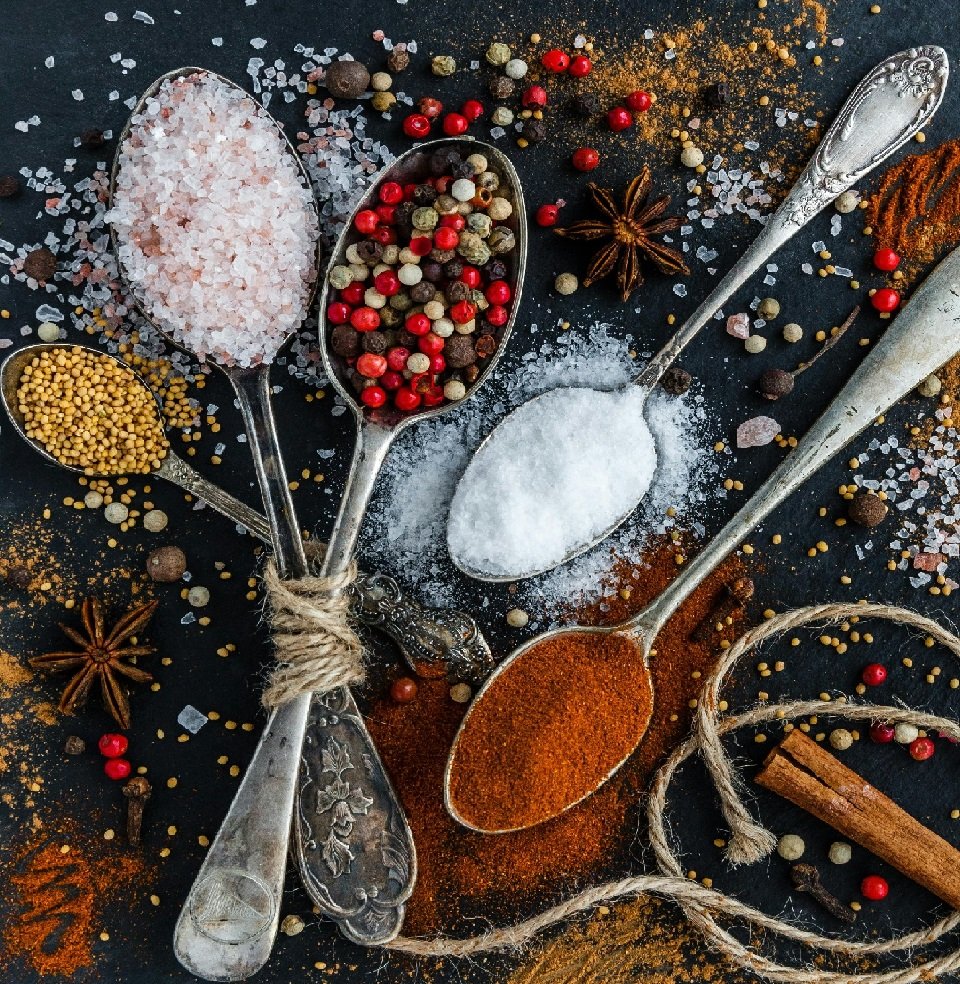
New Zealand is well-known for its stunning landscapes and friendly people, but did you know that the country also has a rich tradition of salt fermentation? Salt fermentation, also known as pickling or brining, is a preservation method that has been used for centuries to extend the shelf life of food.
Read More →1 year ago Category :
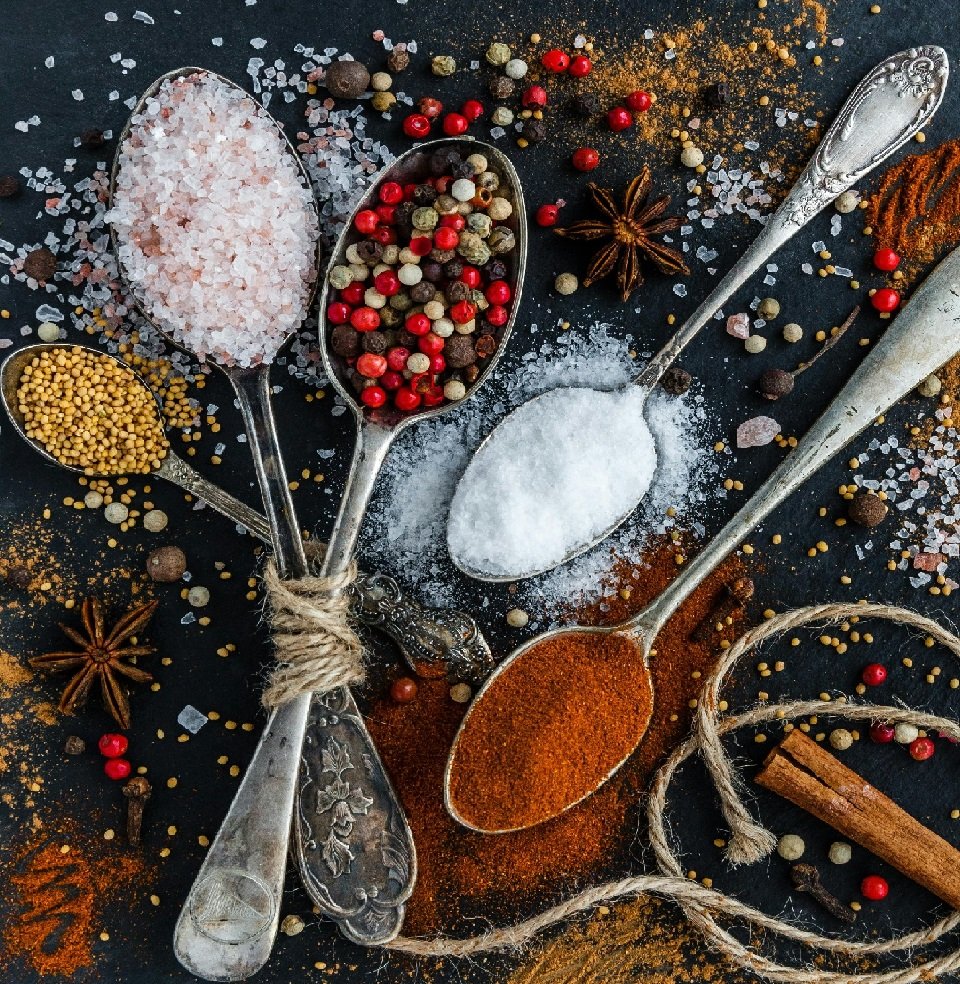
New Zealand Food Preservation with Salt
Read More →1 year ago Category :
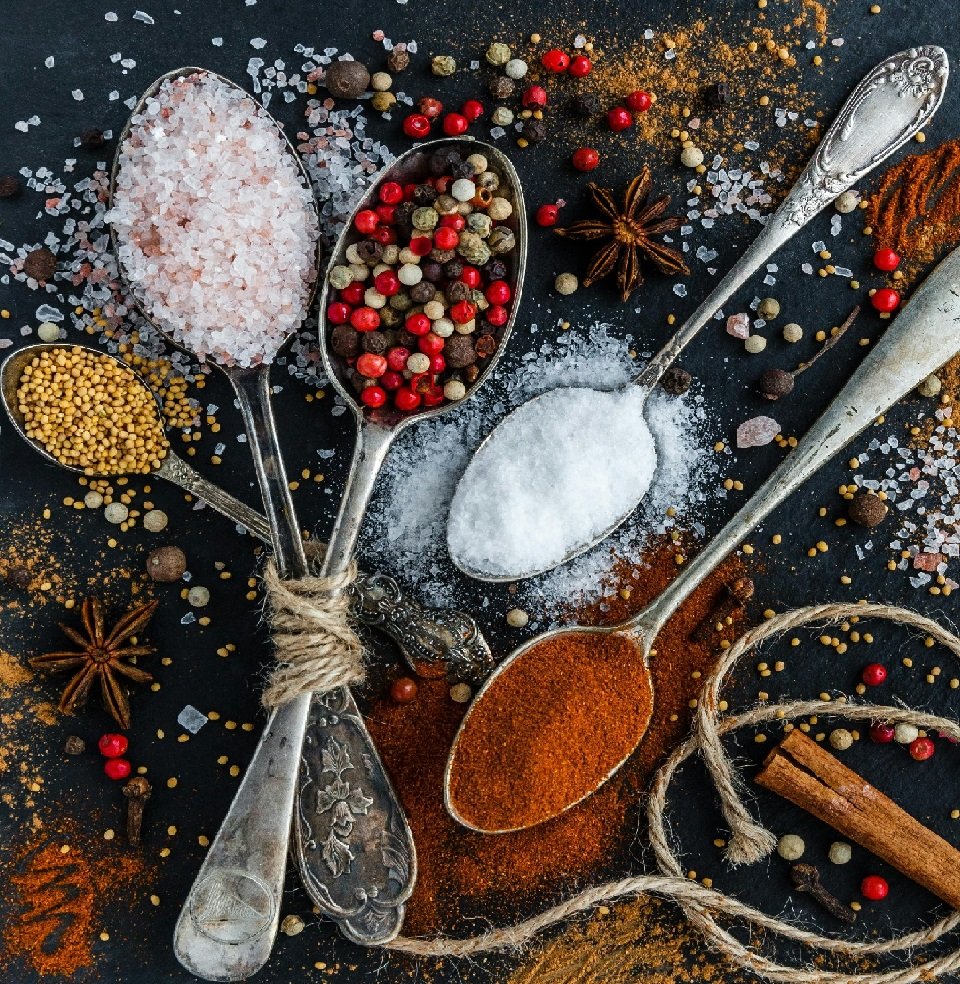
The Netherlands are known for their delicious cheeses, picturesque windmills, and vibrant tulip fields. However, one aspect of Dutch cuisine that often goes overlooked is their variety of salt types. From traditional sea salt to unique flavored salts, the Netherlands offer a diverse range of options to enhance the flavor of dishes.
Read More →1 year ago Category :
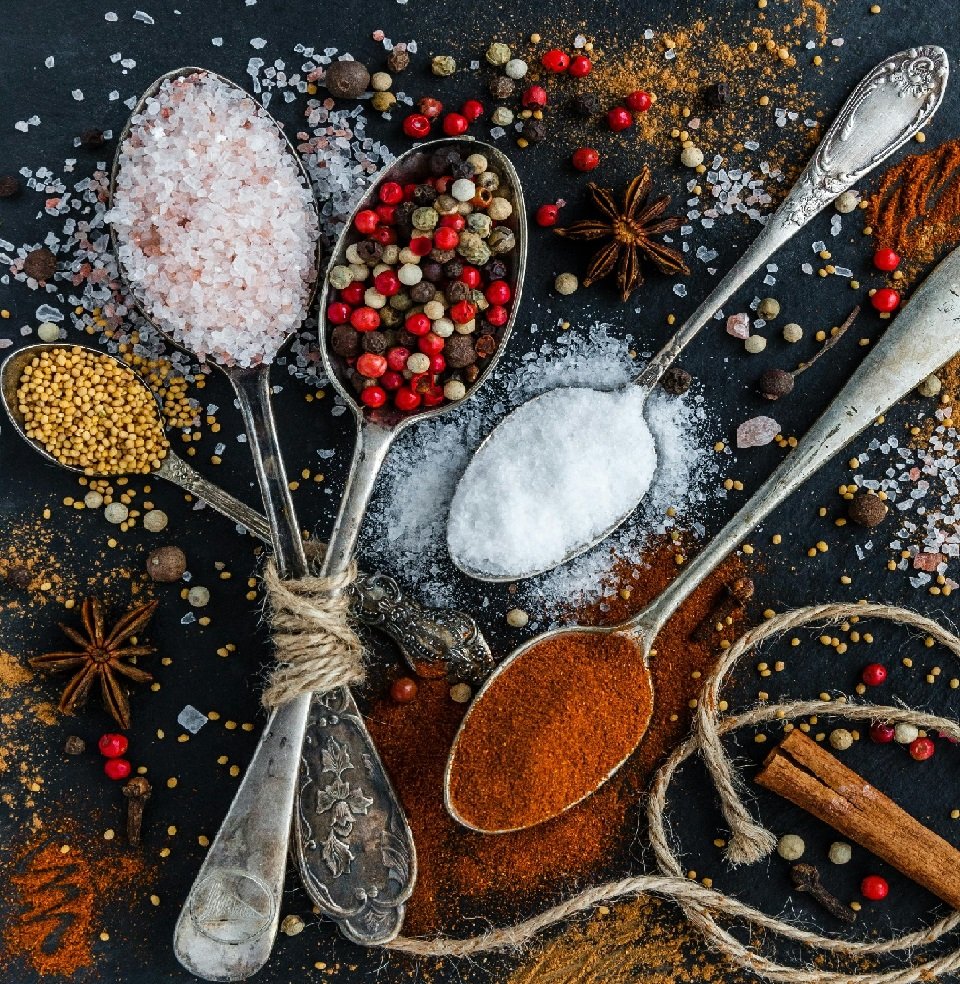
Salt Fermentation: A Traditional Practice in the Netherlands
Read More →1 year ago Category :
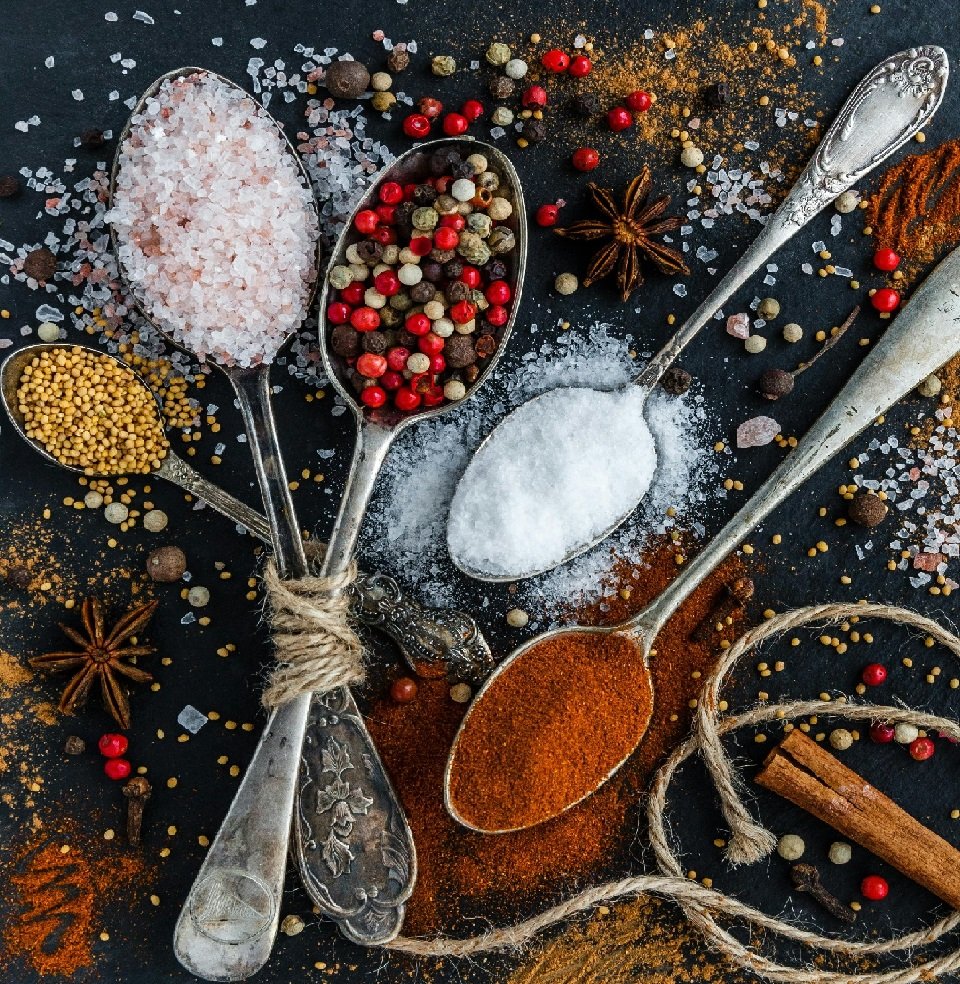
Food preservation with salt has been a common practice in the Netherlands for centuries. This traditional method of using salt to preserve food items has not only helped in extending the shelf life of various perishable items but has also added a unique flavor profile to dishes. Let's delve deeper into the art of food preservation with salt in the Netherlands.
Read More →1 year ago Category :
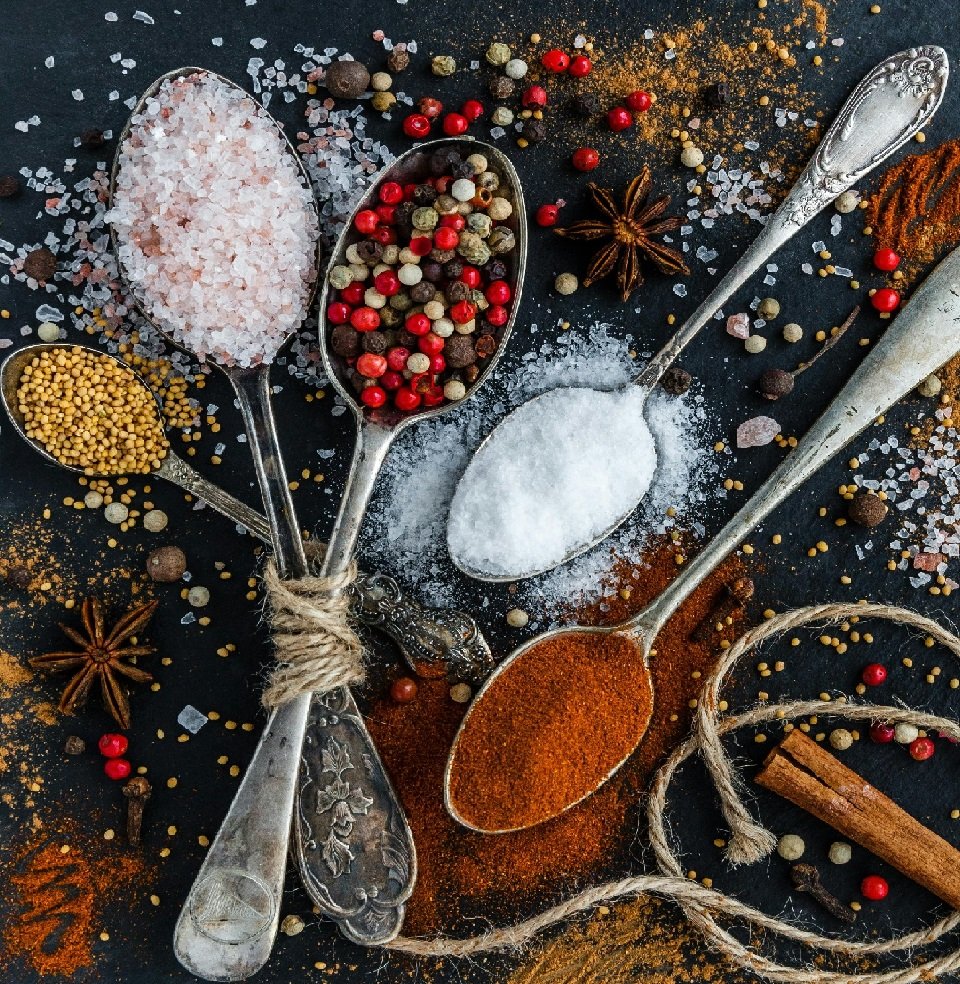
Mumbai, a bustling city in India, is not only known for its vibrant culture and diverse cuisine but also for its rich variety of salts. Indian cuisine relies heavily on different types of salt to enhance flavors and add depth to dishes. Let's explore some of the popular salt types found in Mumbai, India.
Read More →1 year ago Category :
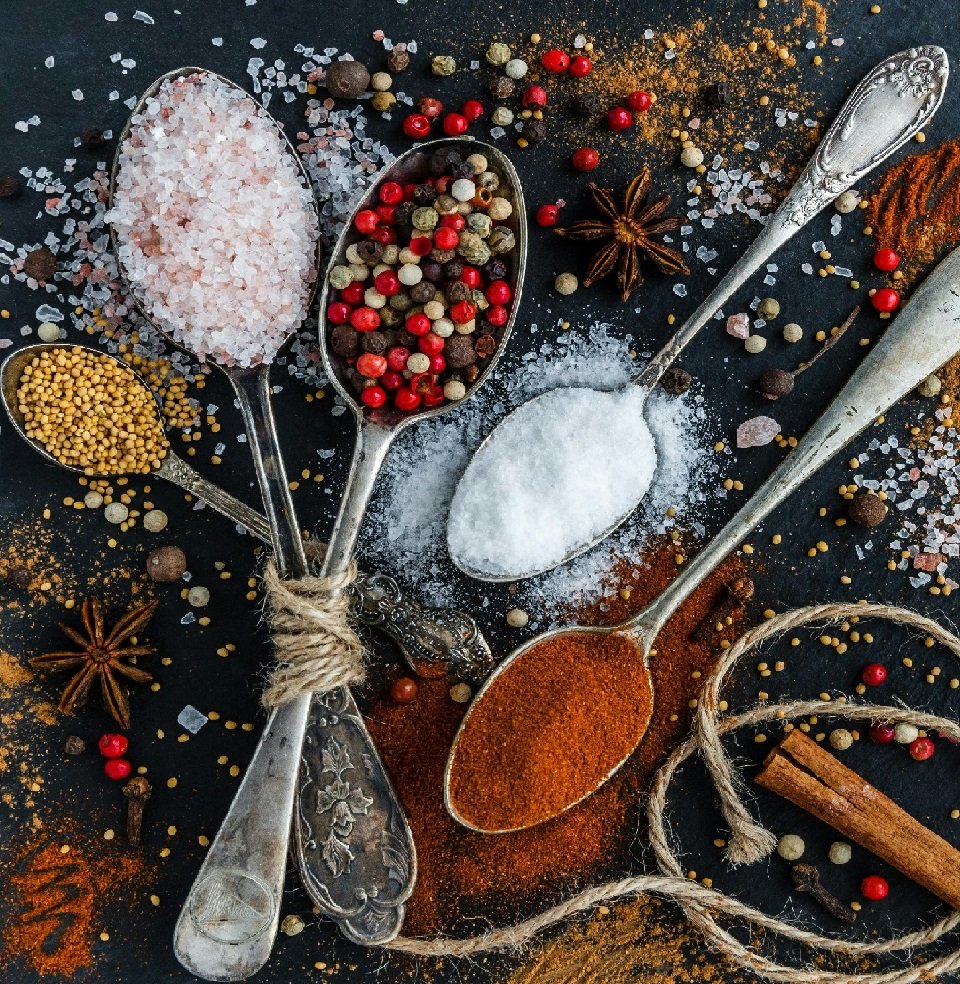
Mumbai, the bustling metropolis on the western coast of India, is not only known for its vibrant culture, stunning architecture, and delicious street food but also for its unique culinary practices. One lesser-known yet fascinating aspect of Mumbai's food scene is salt fermentation.
Read More →1 year ago Category :
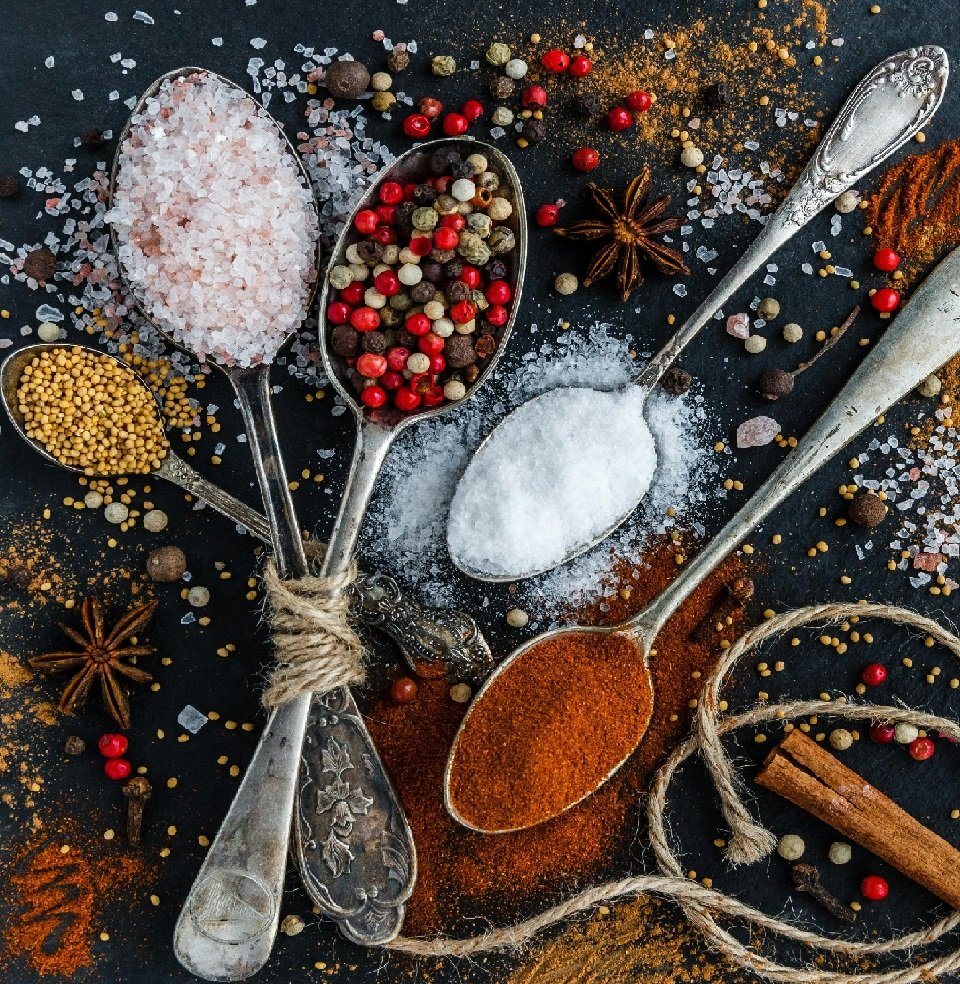
Mumbai, the vibrant city in India known for its diverse culture and delicious cuisine, also has a rich tradition of food preservation techniques. One such traditional method used in Mumbai and across India is preserving food with salt.
Read More →1 year ago Category :
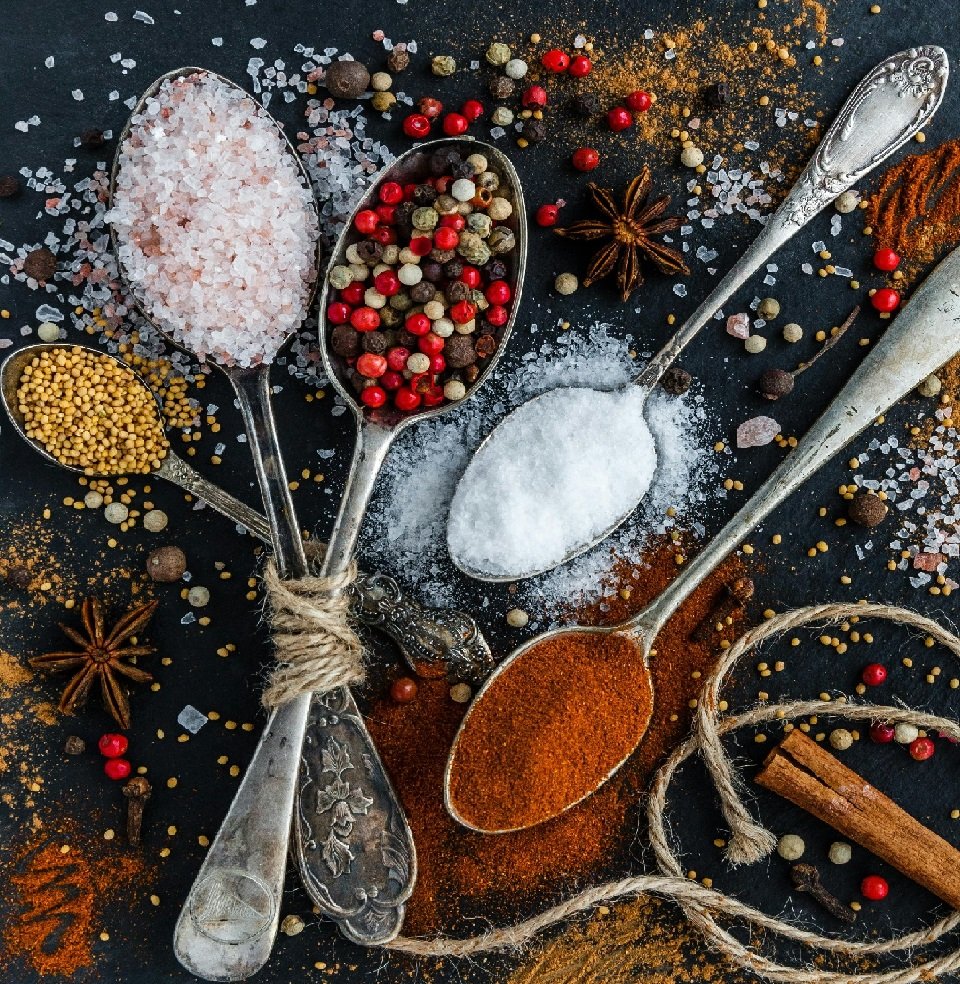
The Role of Modern Cooking Technology in Food Preservation with Salt
Read More →1 year ago Category :
In today's digital age, where information is readily available at our fingertips, it is more important than ever to cultivate critical thinking skills to sift through the vast sea of misinformation. One area where misinformation can be prevalent is in the realm of food and nutrition. With trending diets and health claims flooding social media and websites, it can be challenging to separate fact from fiction.
Read More →SEARCH
Recent News
- Zurich, Switzerland is known for its multicultural atmosphere and diverse culinary scene. One of the lesser-known gems of Zurich's food scene is Sudanese cuisine. Sudanese cuisine is a reflection of the country's diverse cultural influences, blending Arabic, African, and Mediterranean flavors to create a unique and delicious culinary experience.
- Zurich, Switzerland: A Culinary Journey through Regional Cuisine
- Zurich, Switzerland is known for its stunning landscapes, rich history, and vibrant culture. However, another aspect of Zurich that shouldn't be overlooked is its diverse and delicious fast food scene. From traditional Swiss street food to international favorites, there is something to satisfy every craving in Zurich. Let's take a closer look at some of the popular fast food options you can find in this picturesque city.
- Zurich, Switzerland is known for its stunning natural beauty, vibrant arts scene, and strong economy. However, what many people may not know is that this dynamic city also offers a diverse culinary experience that includes delicacies from around the world. One such cuisine that has found a home in Zurich is Philippine cuisine.
- Zurich, Switzerland is known for its picturesque views, stunning architecture, and vibrant cultural scene. Located in the heart of Europe, Zurich offers a mix of traditional Swiss cuisine and international flavors. One particular cuisine that has been making waves in Zurich is Paraguayan cuisine.
- Zurich, Switzerland is a city known for its stunning views, picturesque streets, and vibrant culture. It is also a melting pot of diverse culinary influences, with a wide range of cuisines to choose from. One such cuisine that has made its mark in Zurich is Norwegian cuisine.
- Zurich, Switzerland, and Montreal, Canada, are two vibrant cities known for their distinct cultural characteristics. While Zurich is renowned for its picturesque landscapes, rich history, and high standard of living, Montreal is famous for its diverse population, vibrant arts scene, and mouth-watering cuisine. In this blog post, we will delve into the delectable culinary offerings of Montreal and explore how its unique food scene sets it apart from the culinary landscape of Zurich.
- Zurich, Switzerland is a vibrant city known for its stunning architecture, picturesque landscapes, and diverse culinary scene. While Swiss cuisine certainly holds a special place in the hearts of many locals and visitors, the city also boasts a variety of international dining options, including Latin American food.